Early Life and Political Beginnings
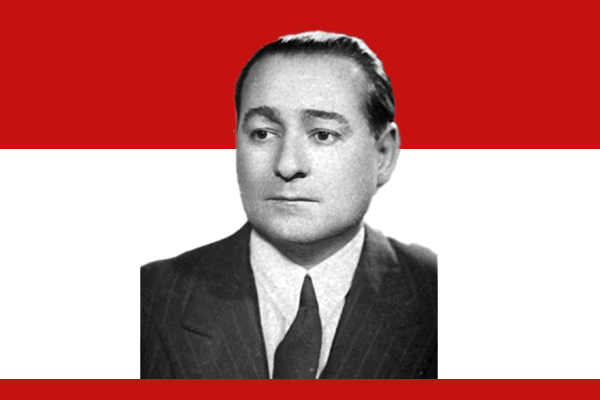
Adnan Menderes was born in 1899 in Aydın, within the Ottoman Empire. He grew up in a farming family, which helped him understand rural life and agricultural challenges. He studied law and soon developed an interest in politics. Menderes joined the Republican People’s Party in his early political career and actively participated in Turkey’s early republican reforms. However, he later distanced himself from the party due to ideological differences.
Founding of the Democrat Party
In 1946, Adnan Menderes co-founded the Democrat Party, marking a turning point in Turkish politics. He challenged the dominance of single-party rule and promoted political pluralism. Menderes strongly supported democratic elections, freedom of expression, and economic liberalization. His leadership energized the public, especially rural voters, who felt neglected by earlier policies.
Rise to Prime Minister
In the 1950 general elections, the Democrat Party achieved a decisive victory. Adnan Menderes assumed office as Prime Minister and immediately began implementing reforms. He actively encouraged private enterprise, reduced state control over the economy, and prioritized agricultural development. His government invested in infrastructure projects such as roads, irrigation systems, and energy production, which improved living standards for many citizens.
Economic and Social Reforms
Menderes pursued rapid economic growth through liberal economic policies. He expanded agricultural credit, increased mechanization, and boosted exports. These initiatives initially led to significant economic progress and public support. Socially, Menderes promoted greater religious freedom by easing restrictions on religious practices, which appealed to conservative segments of society. He aimed to balance secular governance with cultural traditions.
Foreign Policy and International Relations
As Prime Minister, Adnan Menderes strengthened Turkey’s role on the global stage. He aligned Turkey closely with Western powers during the Cold War. His government played a key role in Turkey’s membership in international alliances, reinforcing national security. Menderes actively worked to position Turkey as a strategic partner in global politics, enhancing its diplomatic influence.
Political Challenges and Controversies
Over time, economic difficulties and political tensions increased. Menderes responded to criticism with stricter control over the press and opposition, which weakened democratic institutions. His leadership style became more centralized, and public protests grew. These challenges strained civil-military relations and destabilized the political environment.
Downfall and Legacy
In 1960, a military coup overthrew the government led by Adnan Menderes. Authorities arrested him and later executed him in 1961. Despite his tragic end, Menderes remains a powerful symbol in Turkish political history. Many remember him as a leader who expanded democracy and gave a voice to ordinary citizens, while others debate his later authoritarian measures.
Conclusion
Adnan Menderes actively shaped Turkey’s transition toward multi-party democracy and economic modernization. His achievements and failures continue to influence political discussions today. As Prime Minister, he left a complex but enduring legacy that defines an important chapter in Turkey’s modern history.