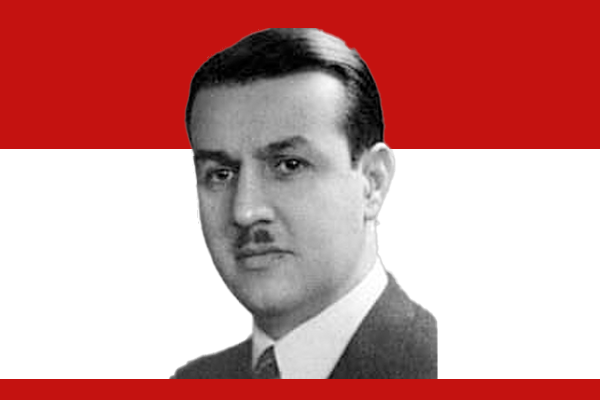
Early Life and Education
Suat Hayri Ürgüplü was born in 1903 into a respected family with deep cultural and administrative roots. He grew up in an environment that valued education, public service, and intellectual discipline. Ürgüplü pursued higher education in law, which equipped him with analytical thinking and a firm understanding of governance. His academic background shaped his measured approach to politics and strengthened his respect for constitutional principles.
Entry into Public Service
Ürgüplü entered public life through administrative and parliamentary roles, where he quickly earned recognition for his calm demeanor and practical judgment. He served in various government positions that allowed him to gain experience in state administration. Rather than relying on populist rhetoric, he focused on consensus-building and institutional stability. His colleagues often viewed him as a reliable and balanced figure capable of navigating complex political environments.
Rise to the Prime Ministership
In 1965, political circumstances brought Suat Hayri Ürgüplü to the position of Prime Minister as an independent leader supported by a coalition. He accepted the responsibility at a moment when Turkey needed a neutral and experienced figure to oversee governance. Ürgüplü formed a caretaker-style government that emphasized continuity, legality, and fairness. He prioritized administrative efficiency and worked to maintain public confidence in democratic institutions.
Policies and Governance Style
As Prime Minister, Ürgüplü adopted a pragmatic and restrained leadership style. He avoided ideological confrontation and instead focused on ensuring the smooth functioning of the state. His government emphasized economic stability, public order, and the rule of law. Ürgüplü encouraged cooperation among political parties and avoided unnecessary conflicts. Through disciplined administration, he helped maintain political calm during a sensitive period.
Commitment to Democracy and Elections
One of Ürgüplü’s most important contributions involved his commitment to democratic processes. He oversaw preparations for free and fair elections and ensured that state institutions acted impartially. Rather than using power for political advantage, he respected the temporary nature of his role. His actions strengthened public trust in the electoral system and demonstrated political maturity. By facilitating a peaceful transition, he reinforced Turkey’s democratic framework.
Later Life and Legacy
After leaving office, Suat Hayri Ürgüplü remained a respected figure in Turkish public life. He did not seek prolonged political dominance but instead allowed history to remember him as a stabilizing leader. His legacy rests on integrity, moderation, and respect for democratic values. Although historians often describe his tenure as brief, they recognize its importance in preserving political continuity.
Conclusion
Suat Hayri Ürgüplü’s term as Prime Minister represented responsibility without ambition and authority without excess. He guided Turkey through a delicate political phase with composure and fairness. By prioritizing democracy and institutional stability, Ürgüplü earned a lasting place in Turkey’s political history as a leader who served the nation with dignity and balance.