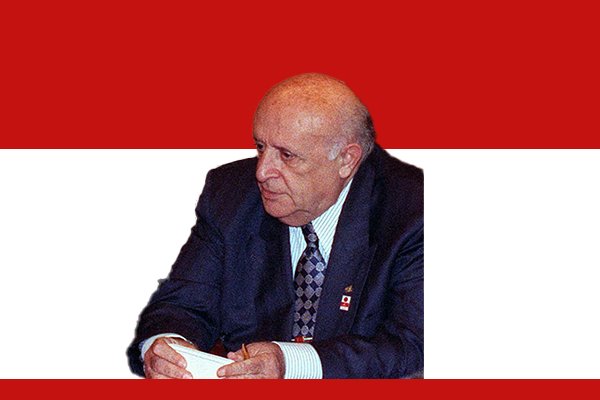
Early Life and Education
Süleyman Demirel was born on 1 November 1924 in İslamköy, a small village in Isparta Province. He grew up in a modest farming family, where he learned the value of hard work and perseverance. Demirel pursued higher education in engineering and graduated from Istanbul Technical University as a civil engineer. His technical background strongly influenced his later focus on infrastructure development and economic modernization.
Entry into Politics
Demirel entered politics during the 1950s and quickly gained recognition for his administrative abilities. He joined the Democrat Party government as a technical expert and later became active in the Justice Party (Adalet Partisi). In 1964, party members elected him as the leader of the Justice Party, marking the beginning of his rise as a national political figure.
First Term as Prime Minister
In 1965, Süleyman Demirel led the Justice Party to a decisive electoral victory and became Prime Minister of Turkey. He emphasized economic growth, industrial expansion, and large-scale infrastructure projects such as dams, roads, and power plants. Demirel presented himself as a leader who could combine democracy with development. His government strengthened relations with Western allies while focusing on domestic economic stability.
Political Challenges and Military Interventions
Demirel faced significant political challenges during his career. Military interventions in 1971 and 1980 disrupted democratic governance and forced him out of office. Despite these setbacks, Demirel did not withdraw from politics. Instead, he defended civilian rule and consistently advocated for democratic institutions. After political bans were lifted in the late 1980s, he returned to active politics with renewed determination.
Return to Power
In 1991, Süleyman Demirel once again became Prime Minister after leading the True Path Party (Doğru Yol Partisi) to electoral success. During this period, he focused on economic reforms, social balance, and democratic normalization. He worked to stabilize the country during a time of regional and internal challenges, including economic pressures and security concerns.
Presidency of Turkey
In 1993, the Turkish Parliament elected Süleyman Demirel as President of Turkey. As president, he adopted a unifying and balanced role above party politics. He emphasized constitutional order, democratic values, and respect for state institutions. Demirel used his experience to guide Turkey through political transitions while maintaining stability.
Leadership Style and Legacy
Süleyman Demirel earned a reputation as a pragmatic and adaptable leader. He communicated effectively with the public and understood the complexities of Turkish society. His long political career reflected persistence, flexibility, and commitment to democracy despite repeated interruptions. Demirel left behind a legacy as a leader who continuously returned to public service and played a crucial role in shaping modern Turkish politics.
Conclusion
Süleyman Demirel’s journey from a rural village to the highest offices of the Turkish state symbolizes determination and political endurance. As Prime Minister and President, he actively influenced Turkey’s democratic development, economic policies, and political stability. His contributions continue to hold an important place in the history of the Republic of Turkey.