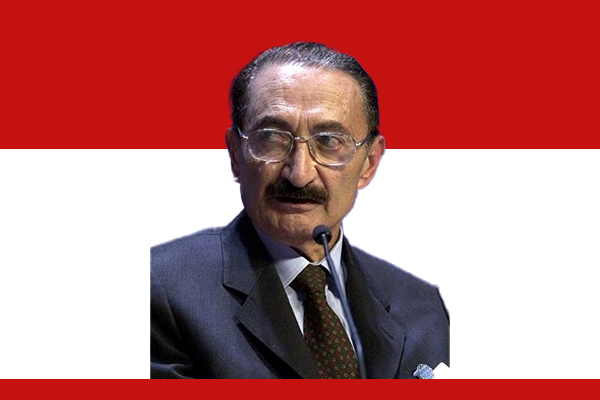
Early Life and Political Entry
Bülent Ecevit was born in 1925 in Istanbul into an educated and culturally rich family. He received a strong academic foundation and developed a deep interest in literature and politics at an early age. Ecevit entered political life through journalism and public service, which helped him understand social issues at the grassroots level. He joined the Republican People’s Party (CHP) and quickly rose through its ranks due to his discipline, eloquence, and reformist ideas.
Rise as a National Leader
Ecevit gained national prominence in the 1960s when he promoted the concept of “Left of Center” politics within the CHP. He actively supported workers’ rights, social equality, and democratic participation. Through clear communication and principled leadership, he built strong connections with ordinary citizens, especially laborers and rural communities. His integrity and modest lifestyle earned him the nickname “Karaoğlan,” symbolizing trust and hope among the people.
Prime Ministership and Governance
Bülent Ecevit served as prime minister several times, most notably in the 1970s and late 1990s. During his leadership, he emphasized democratic values and civilian rule in a politically unstable environment. He took decisive action during the 1974 Cyprus crisis, ordering a military intervention to protect Turkish Cypriots. This move strengthened Turkey’s strategic position and boosted national confidence.
Ecevit also focused on internal reforms. He supported freedom of expression, strengthened labor laws, and encouraged political pluralism. Despite economic difficulties, he maintained transparency in governance and resisted authoritarian tendencies.
Economic and Social Policies
Ecevit promoted a mixed economic model that balanced state involvement with social welfare. He aimed to reduce income inequality and expand public services. His governments supported education, workers’ protections, and rural development. Although economic crises challenged his administrations, he continued to prioritize ethical governance over populist promises. His honest approach distinguished him in a political climate often marked by corruption and instability.
Foreign Policy and International Role
In foreign affairs, Ecevit followed an independent and balanced policy. He strengthened Turkey’s position within NATO while maintaining national autonomy. He supported peaceful relations with neighboring countries and defended Turkey’s sovereignty in international forums. His leadership during critical moments enhanced Turkey’s credibility on the global stage.
Legacy and Historical Significance
Bülent Ecevit left behind a legacy of integrity, courage, and democratic commitment. He demonstrated that political leadership could combine moral values with decisive action. Even after leaving office, he remained a respected figure in Turkish public life. His contributions continue to influence Turkey’s political thought and democratic aspirations.
Conclusion
Prime Minister Bülent Ecevit shaped modern Turkey through principled leadership and unwavering dedication to democracy. His vision, reforms, and independent stance established him as one of Turkey’s most respected and enduring political figures.