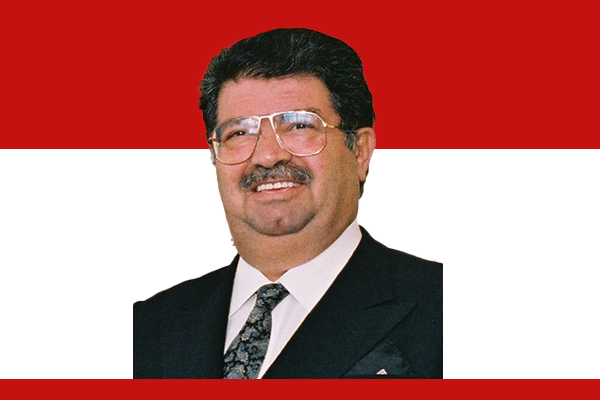
Early Life and Political Rise
Turgut Özal was born in 1927 in Malatya, Turkey. He pursued engineering and economics, which later shaped his approach to governance. Before entering frontline politics, Özal gained experience in public administration and international institutions. He worked with the State Planning Organization and collaborated with global financial bodies, which broadened his economic vision.
After the 1980 military coup, Özal played a key role in economic management. He later founded the Motherland Party (Anavatan Partisi) and led it to a decisive electoral victory in 1983. This success brought him to power as Prime Minister and gave him a strong mandate for reform.
Economic Reforms and Liberalization
As Prime Minister, Turgut Özal actively transformed Turkey’s economic structure. He reduced state control over industries and encouraged private enterprise. Instead of inward-looking policies, he promoted export-oriented growth and opened Turkish markets to global competition.
Özal simplified regulations, supported foreign investment, and modernized financial institutions. He allowed market forces to play a greater role in determining prices and production. These reforms increased economic dynamism and integrated Turkey into the global economy. Although challenges such as inflation persisted, Özal’s policies laid the foundation for long-term growth and modernization.
Political Vision and Governance Style
Özal governed with a reformist and forward-looking mindset. He emphasized efficiency, technological progress, and administrative reform. Rather than relying solely on traditional bureaucracy, he encouraged innovation and flexibility within government institutions.
He also strengthened civilian authority after years of military dominance in politics. By doing so, he contributed to the gradual normalization of democratic governance. Özal believed in balancing strong leadership with democratic principles, and he worked to expand political participation and economic freedom.
Foreign Policy and Global Outlook
Turgut Özal reshaped Turkey’s foreign policy by adopting a more active and outward-looking approach. He strengthened ties with Western allies while also improving relations with the Middle East, Central Asia, and neighboring regions. Özal viewed Turkey as a bridge between East and West and promoted its strategic importance on the global stage.
He supported closer relations with Europe and encouraged Turkey’s integration into international economic and political systems. His policies increased Turkey’s visibility and influence in regional and global affairs.
Legacy and Historical Significance
Turgut Özal left a lasting legacy in Turkish politics and governance. His reforms changed the structure of the economy and influenced future policy directions. Many leaders after him continued to build on the liberal economic framework he introduced.
Özal’s leadership demonstrated how bold reforms and global engagement could transform a nation. He passed away in 1993, but his impact remains visible in Turkey’s economic model, political culture, and international outlook.
Conclusion
Prime Minister Turgut Özal actively guided Turkey through a critical era of change. Through economic liberalization, political reform, and a global vision, he reshaped the country’s trajectory. His leadership continues to be remembered as a turning point in modern Turkish history.