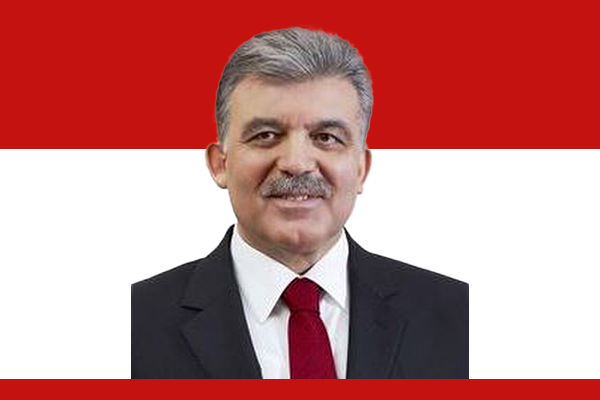
Early Life and Political Rise
Abdullah Gül was born in 1950 in Kayseri, Turkey. He pursued higher education in economics and developed a strong interest in public policy and international relations. Before entering top-level politics, he worked as an academic and economist, which gave him a solid foundation in economic planning and governance.
Gül entered active politics through the Welfare Party and later became one of the founding members of the Justice and Development Party (AK Party). He played a key role in shaping the party’s moderate and reform-oriented identity. His political rise reflected his ability to balance conservative values with democratic principles.
Appointment as Prime Minister
In November 2002, Abdullah Gül assumed the office of Prime Minister after the AK Party won a landslide victory in the general elections. At that time, Recep Tayyip Erdoğan faced a political ban, which made Gül the natural choice to lead the government. Gül accepted this responsibility with clarity and determination, ensuring continuity and stability during a sensitive political phase.
Leadership and Governance
As Prime Minister, Abdullah Gül actively focused on strengthening democratic institutions and restoring public confidence in governance. He supported reforms that enhanced human rights, expanded freedom of expression, and aligned Turkish laws with European Union standards. His government prioritized transparency and accountability in public administration.
Gül also took decisive steps to stabilize the economy, which had suffered from severe crises in previous years. He supported structural reforms, encouraged foreign investment, and worked closely with international financial institutions. These actions helped restore economic confidence and laid the groundwork for future growth.
Foreign Policy and European Vision
Abdullah Gül strongly advocated for Turkey’s integration with Europe. As Prime Minister, he actively advanced negotiations related to European Union membership and promoted diplomatic engagement with neighboring countries. He emphasized dialogue, cooperation, and peaceful conflict resolution.
Gül’s leadership improved Turkey’s international image and strengthened its relations with Western allies. He projected Turkey as a democratic, reform-driven, and reliable partner on the global stage.
Transition of Power
In March 2003, Abdullah Gül transferred the office of Prime Minister to Recep Tayyip Erdoğan after the political ban was lifted. He managed this transition smoothly and responsibly, demonstrating political maturity and respect for democratic norms. Gül continued to serve the country in senior roles, including as Foreign Minister and later as President of Turkey.
Legacy as Prime Minister
Although his term as Prime Minister was brief, Abdullah Gül left a lasting impact on Turkish politics. He actively ensured stability during a crucial transition period and reinforced democratic and economic reforms. His leadership reflected moderation, inclusiveness, and institutional respect.
Prime Minister Abdullah Gül remains remembered as a leader who guided Turkey with calm authority and reformist vision, helping shape the foundation for significant political developments in the years that followed.