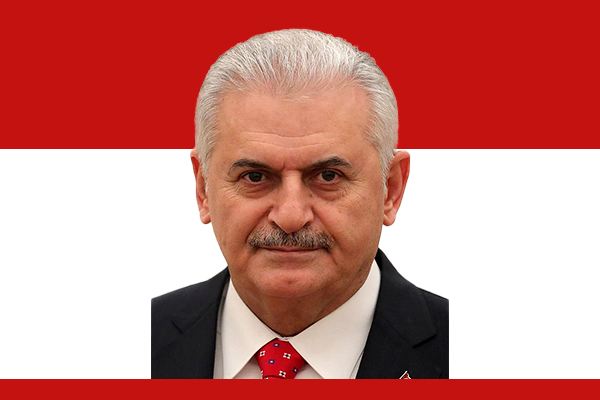
Early Life and Education
Binali Yıldırım was born on December 20, 1955, in Erzincan, Turkey. He grew up in a modest family environment that valued discipline and education. He pursued higher studies in engineering and graduated from Istanbul Technical University. Later, he enhanced his academic background with postgraduate studies in maritime engineering and management. His technical education strongly influenced his practical and solution-oriented approach to governance.
Entry into Politics
Binali Yıldırım entered politics through his close association with Recep Tayyip Erdoğan. He became an active member of the Justice and Development Party after its formation in 2001. From the beginning, he demonstrated organizational ability and administrative efficiency. He quickly gained recognition as a dependable leader who could manage complex portfolios with confidence.
Role as Minister of Transport
Before becoming Prime Minister, Binali Yıldırım served multiple terms as Minister of Transport, Maritime Affairs, and Communications. In this role, he actively transformed Turkey’s transportation infrastructure. He oversaw the expansion of highways, bridges, airports, and high-speed rail networks. Major projects such as the Marmaray tunnel and significant airport developments advanced under his leadership. These initiatives strengthened Turkey’s connectivity and supported economic growth.
Prime Minister of Turkey
Binali Yıldırım assumed office as Prime Minister in May 2016. He led the government during a period marked by internal security challenges, economic pressures, and constitutional change. He actively supported policies aimed at maintaining national unity and stability. During his tenure, the government addressed the aftermath of the failed coup attempt of July 2016 with decisive administrative measures.
Support for Presidential System
One of Binali Yıldırım’s most significant political contributions involved his active support for Turkey’s transition from a parliamentary system to a presidential system. He strongly advocated constitutional reforms and guided legislative efforts in parliament. His leadership helped ensure the smooth passage of reforms that restructured Turkey’s political framework and governance model.
Leadership Style and Vision
Binali Yıldırım displayed a pragmatic and disciplined leadership style. He focused on efficiency, infrastructure development, and administrative coordination. Rather than emphasizing personal charisma, he prioritized teamwork and institutional loyalty. His approach appealed to party members who valued stability and continuity in governance.
Later Political Career
After the abolition of the Prime Minister’s office in 2018, Binali Yıldırım continued to play an active role in Turkish politics. He served as Speaker of the Grand National Assembly and later participated in local politics, including the Istanbul mayoral race. His continued involvement reflected his lasting influence within the AK Party.
Legacy and Significance
Binali Yıldırım remains a significant figure in Turkey’s political history. He actively contributed to infrastructure modernization, administrative reforms, and constitutional transformation. His career reflects the importance of technical expertise and loyalty in political leadership. Many remember him as a leader who focused on practical solutions and long-term national development.