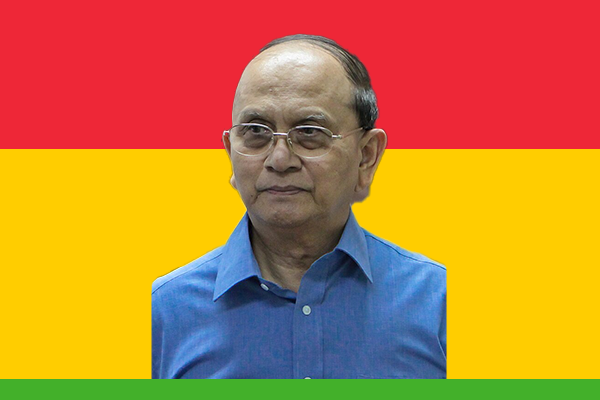
Early Life and Military Career
Thein Sein was born on 20 April 1945 in Kyonku Village, Myanmar. He joined the Myanmar Armed Forces (Tatmadaw) at a young age and built a long military career. Through discipline and loyalty, he rose steadily through the ranks. The military shaped his leadership style, which emphasized order, stability, and gradual change rather than rapid transformation.
His experience in the armed forces later influenced his political decisions. He focused on maintaining national unity while carefully introducing reforms that would not destabilize the country.
Appointment as Prime Minister
In 2007, the military government appointed Thein Sein as Prime Minister of Myanmar. At that time, the country faced economic challenges, international sanctions, and political isolation. Thein Sein accepted the responsibility of managing governance during a period of internal unrest and global criticism.
As Prime Minister, he worked closely with the ruling military leadership. He supported the government’s roadmap toward a new constitutional system, which aimed to establish a controlled transition to civilian governance.
Role in Political Transition
Thein Sein played an important role in preparing Myanmar for political change. He supported the 2008 Constitution, which laid the foundation for future elections. Although critics questioned the fairness of the process, his administration pushed forward institutional reforms that eventually led to the 2010 general elections.
His leadership emphasized gradual political opening. Instead of sudden reforms, he promoted step-by-step changes that aligned with the military’s vision of stability and continuity.
Economic and Administrative Reforms
During his tenure as Prime Minister, Thein Sein focused on improving government administration and economic management. He encouraged better coordination among ministries and promoted efficiency within the public sector. His government also explored limited economic reforms to attract investment and reduce dependence on state-controlled systems.
These efforts helped prepare Myanmar for broader economic liberalization during his later presidency. Observers viewed his administrative approach as cautious but practical.
International Relations
As Prime Minister, Thein Sein engaged with neighboring countries and regional organizations. He worked to strengthen Myanmar’s ties within Southeast Asia, especially through ASEAN. His diplomatic efforts aimed to reduce Myanmar’s isolation and improve its global image.
Although international sanctions remained in place, his government signaled willingness to cooperate with the international community, laying the groundwork for future engagement.
Legacy as Prime Minister
Thein Sein’s tenure as Prime Minister marked a transitional phase in Myanmar’s political journey. He did not pursue radical reforms, but he helped create conditions for political change. His leadership balanced military interests with the growing demand for reform.
Later, as President, he expanded many initiatives that began during his time as Prime Minister. Historians often view his prime ministership as a bridge between strict military rule and limited civilian governance.
Conclusion
Prime Minister Thein Sein guided Myanmar during a sensitive and challenging period. Through cautious leadership, administrative reforms, and support for political transition, he influenced the country’s modern history. His role as Prime Minister remains significant because it set the stage for Myanmar’s gradual move toward political and economic reform.