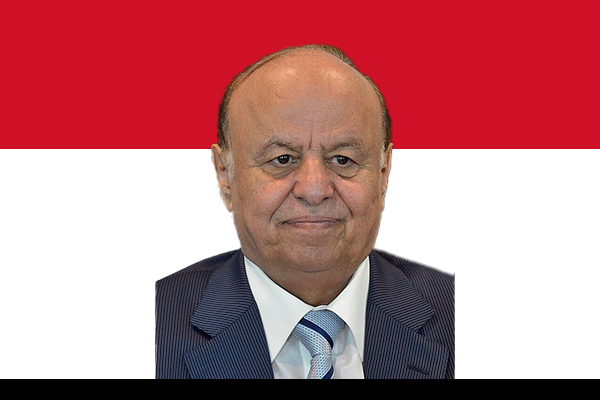
Early Life and Military Background
Abdrabbuh Mansour Hadi was born in 1945 in Thukain, located in the Abyan Governorate of southern Yemen. He pursued a military education and gradually built a career within the armed forces. Hadi received training in Yemen and abroad, which strengthened his professional standing and shaped his pragmatic leadership style. His military background later helped him navigate complex security and political environments.
Rise to Vice Presidency
After the unification of North and South Yemen in 1990, Hadi emerged as an important figure in national politics. In 1994, President Ali Abdullah Saleh appointed him Vice President following the civil war that consolidated Yemen’s unity under Saleh’s leadership. Hadi remained vice president for nearly two decades, largely operating away from public controversy while maintaining loyalty to the central government.
Presidency and Transitional Leadership
Hadi assumed the presidency in 2012 after Ali Abdullah Saleh stepped down under a Gulf-brokered initiative. He won a one-candidate election designed to ensure stability and avoid further conflict. As a transitional president, Hadi focused on overseeing the National Dialogue Conference, which aimed to address Yemen’s long-standing political, regional, and social grievances.
His leadership emphasized constitutional reform, decentralization, and national reconciliation. However, entrenched political divisions, economic weakness, and armed groups limited the effectiveness of these initiatives.
Conflict and Exile
Yemen’s political transition collapsed as the Houthi movement expanded its control over large parts of the country. In 2015, the Houthis placed President Hadi under house arrest, prompting him to flee to Aden and later seek refuge abroad. Despite living in exile for much of his presidency, Hadi continued to be recognized internationally as Yemen’s legitimate leader.
A Saudi-led coalition intervened militarily in support of Hadi’s government, transforming the internal conflict into a broader regional crisis. During this period, Hadi worked closely with international partners, though his authority inside Yemen remained limited.
Governance Challenges and Criticism
President Hadi faced criticism for weak governance, reliance on external military support, and difficulty unifying anti-Houthi factions. Supporters argued that he operated under extraordinary circumstances, while critics claimed his leadership failed to prevent state fragmentation. The humanitarian crisis that unfolded during the war further complicated perceptions of his presidency.
Transfer of Power and Legacy
In 2022, Abdrabbuh Mansour Hadi transferred his presidential powers to a Presidential Leadership Council in an effort to create a more inclusive governing structure. This decision marked the end of his tenure and signaled a new phase in Yemen’s political process.
Hadi’s legacy remains complex. He symbolizes Yemen’s attempt at peaceful political transition but also reflects the profound challenges of leading a divided nation during war. His presidency stands as a critical chapter in Yemen’s modern history.
Conclusion
President Abdrabbuh Mansour Hadi’s leadership unfolded during one of Yemen’s most difficult eras. While his presidency faced significant limitations, it remains central to understanding Yemen’s struggle for stability, reform, and national unity.