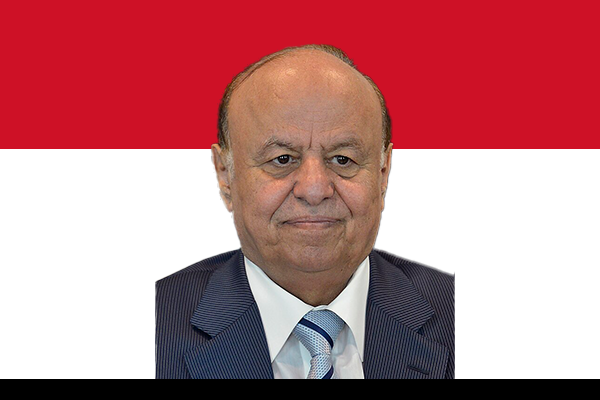
Early Life and Military Background
Abdrabbuh Mansour Hadi was born on 1 September 1945 in Thukain, Abyan Governorate, in southern Yemen. He grew up during a period of intense political change, as Yemen experienced colonial rule, revolution, and later unification. Hadi pursued a military career early in life, receiving formal training in Yemen and abroad. His education in military institutions helped shape his disciplined approach to leadership and governance. Over time, he rose through the ranks of the armed forces and became known as a professional officer rather than an ideological politician.
Rise in Yemeni Politics
Hadi’s political prominence increased after the unification of North and South Yemen in 1990. As a southerner, he played an important role in balancing regional interests within the newly unified state. Following the 1994 Yemeni Civil War, President Ali Abdullah Saleh sought to consolidate national unity while maintaining stability. In this context, Abdrabbuh Mansour Hadi emerged as a trusted figure who could represent southern Yemen while remaining loyal to the central government.
Appointment as Vice President
In October 1994, President Ali Abdullah Saleh appointed Abdrabbuh Mansour Hadi as Vice President of Yemen. This appointment carried strong symbolic and political significance. Hadi became the first southerner to hold the vice presidency after unification, signaling an attempt to integrate southern leadership into the national power structure. His selection also reflected his reputation as a calm, non-confrontational leader capable of navigating Yemen’s complex tribal and regional politics.
Role and Responsibilities
As Vice President, Hadi’s role focused largely on supporting the president in maintaining political stability and national unity. Yemen’s political system concentrated most executive authority in the presidency, which limited the formal powers of the vice president. Despite these constraints, Hadi remained actively involved in military affairs, security coordination, and state ceremonies. He often acted as a behind-the-scenes mediator, using his military background and regional connections to ease tensions among political factions.
Political Style and Public Image
Abdrabbuh Mansour Hadi developed a reputation for being reserved, cautious, and pragmatic. Unlike many prominent Yemeni politicians, he avoided populist rhetoric and public confrontation. His low-profile approach earned him the image of a loyal deputy rather than a rival to President Saleh. This political style allowed him to remain vice president for nearly eighteen years, an unusually long tenure in a region marked by frequent political upheaval.
Challenges During the Vice Presidency
Hadi’s vice presidency unfolded during a period of growing challenges for Yemen. Economic difficulties, internal rebellions, and rising public dissatisfaction tested the stability of the state. While the vice president did not hold decisive executive power, Hadi’s long service helped ensure continuity within the government. He maintained working relationships with military leaders and political elites, which later proved crucial during Yemen’s transition period.
Transition Toward National Leadership
By the early 2010s, Yemen faced mass protests and political unrest. Abdrabbuh Mansour Hadi’s experience as vice president positioned him as a consensus candidate during the transitional phase that followed President Saleh’s resignation. His long tenure, neutrality in internal power struggles, and acceptance among regional and international actors elevated him from a largely ceremonial vice presidency to the presidency itself.
Legacy as Vice President
Abdrabbuh Mansour Hadi’s vice presidency remains significant in Yemen’s modern political history. His extended service demonstrated political endurance and adaptability within a centralized system. While his role was often limited, his presence symbolized southern participation in national leadership and provided continuity during times of crisis. The vice presidency laid the foundation for his later role as president, making this period a defining chapter in his political career.