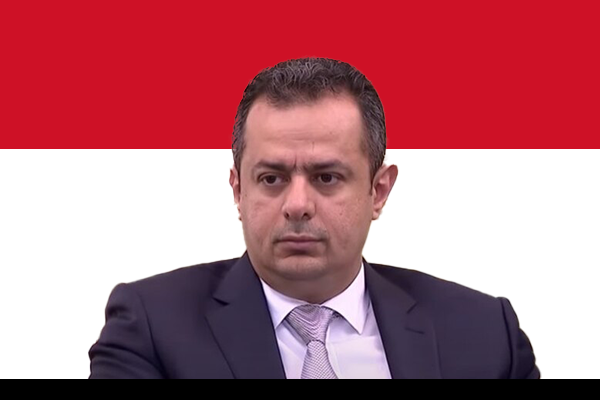
Early Life and Educational Background
Maeen Abdulmalik Saeed was born in Yemen and developed a strong academic foundation that later shaped his technocratic leadership style. He pursued higher education in engineering and urban planning, gaining expertise in infrastructure development and public administration. His academic training allowed him to approach governance with a problem-solving mindset, focusing on long-term planning rather than short-term political gains.
Before entering national politics, he worked in technical and advisory roles related to urban development and reconstruction. These early professional experiences gave him insight into the structural challenges facing Yemen’s cities and public institutions.
Entry into Politics and Rise to Leadership
Maeen Abdulmalik Saeed entered public service at a time when Yemen was undergoing political transition and instability. His reputation as a capable technocrat led to his appointment to senior government positions, where he gained experience in managing complex administrative systems.
In October 2018, he was appointed Prime Minister of Yemen. His selection reflected a desire for pragmatic leadership that could engage both domestic stakeholders and international partners. As Prime Minister, he took on the responsibility of leading a government operating under extraordinary conditions, including conflict, humanitarian crises, and economic decline.
Role as Prime Minister
As Prime Minister, Maeen Abdulmalik Saeed focused on maintaining the functionality of the Yemeni government and preserving state institutions. He prioritized administrative reforms, transparency, and coordination among ministries. One of his key objectives was to improve the delivery of essential services such as electricity, water, healthcare, and education.
He also worked to stabilize the Yemeni economy by supporting fiscal discipline, coordinating with the Central Bank, and engaging with international donors. His government aimed to secure financial assistance and humanitarian aid to ease the suffering of millions of Yemenis affected by war and poverty.
Diplomatic and International Engagement
Maeen Abdulmalik Saeed played an important role in representing Yemen in regional and international forums. He engaged with foreign governments and international organizations to advocate for Yemen’s political legitimacy and humanitarian needs. His diplomatic efforts focused on securing support for peace initiatives, reconstruction planning, and economic recovery.
Through these engagements, he emphasized Yemen’s commitment to political dialogue and institutional rebuilding, highlighting the importance of international cooperation for long-term stability.
Challenges and Leadership Style
Leading Yemen during an ongoing conflict presented immense challenges. Political divisions, security concerns, and limited resources constrained the government’s ability to implement reforms fully. Despite these obstacles, Maeen Abdulmalik Saeed maintained a calm and pragmatic leadership style, often emphasizing unity, patience, and institutional continuity.
He earned recognition as a leader who relied on technical expertise and consultation rather than populist rhetoric. His approach reflected his belief that sustainable governance depends on strong institutions and professional administration.
Legacy and Significance
Prime Minister Maeen Abdulmalik Saeed’s tenure stands as a symbol of technocratic leadership in a time of national crisis. While the challenges he faced were extraordinary, his efforts to preserve governance structures, promote reform, and engage the international community remain significant.