Mr. Kim Il
In Office: 1 May 1976 – 9 March 1984
Political Party: Workers’ Party of Korea
Home State: Hamgyong
Lifespan: 1910–1984
Country: North Korea
Image credits available here.
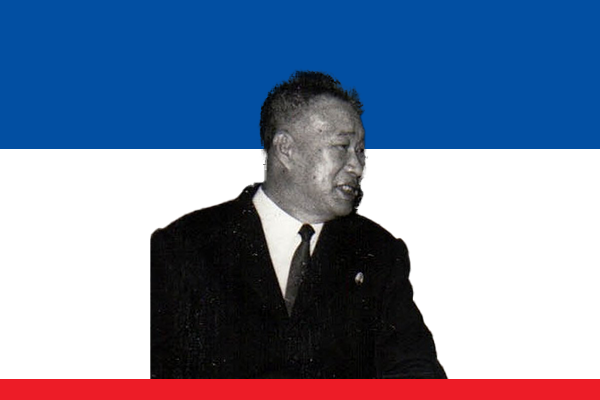
Early Life and Political Background
Kim Il emerged from the generation of Korean revolutionaries shaped by Japanese colonial rule and the struggle for national liberation. Like many leaders of his era, he developed strong ideological commitments to socialism and national independence. These experiences guided his political outlook and prepared him for leadership roles after the establishment of North Korea in 1948.
During the early years of the new state, Kim Il aligned himself with the ruling Workers’ Party of Korea. He built a reputation as a disciplined and loyal party member who supported centralized leadership and collective governance. His political rise reflected both his ideological reliability and his administrative abilities.
Rise to the Vice Presidency
North Korea introduced the position of Vice President under the 1972 constitution, which reorganized the state structure and strengthened the presidential system. Kim Il became one of the Vice Presidents, placing him among the highest-ranking officials in the country.
As Vice President, Kim Il assisted the President in managing state affairs and representing the government in official capacities. His role symbolized continuity within the leadership and reinforced the collective image of governance promoted by the state. He supported policy implementation across political, economic, and social sectors.
Responsibilities and Governance Role
Vice President Kim Il focused on maintaining political stability and supporting the execution of state policies. He contributed to discussions on economic planning, administrative coordination, and ideological education. His work emphasized unity, discipline, and loyalty to the socialist system.
Kim Il also participated in ceremonial and representative duties, which helped project the authority and legitimacy of the state. Through these responsibilities, he reinforced the leadership’s emphasis on national sovereignty and self-reliance.
Ideological Commitment
Kim Il consistently upheld the ideological principles of the North Korean system. He supported policies centered on socialism, collective responsibility, and national independence. His speeches and public activities reflected strong alignment with the state’s official ideology and leadership direction.
By promoting ideological consistency, Kim Il helped sustain political cohesion within the ruling structure. His commitment strengthened the internal functioning of the government during a period of constitutional and institutional consolidation.
Legacy and Historical Significance
Vice President Kim Il remains an important, though lesser-known, figure in North Korea’s political history. His tenure illustrates how senior officials contributed to stabilizing and institutionalizing the state after its establishment. While he did not dominate public narratives, his role supported the continuity and functioning of the leadership system.
Kim Il’s legacy lies in his service as a senior state official during a critical phase of North Korea’s development. He represents the cadre of leaders who worked behind the scenes to maintain governance, ideological unity, and administrative order.
Conclusion
Vice President Kim Il played a meaningful role in the political structure of North Korea during the early decades of the republic. Through loyalty, administrative service, and ideological commitment, he supported state leadership and governance. His career highlights the importance of collective leadership in shaping the country’s political foundations.