Mr. Pak Song-chol
In Office: 15 December 1977 – 5 September 1998
Political Party: Workers’ Party of Korea
Home State: Gyeongju
Lifespan: 1913–2008
Country: North Korea
Image credits available here.
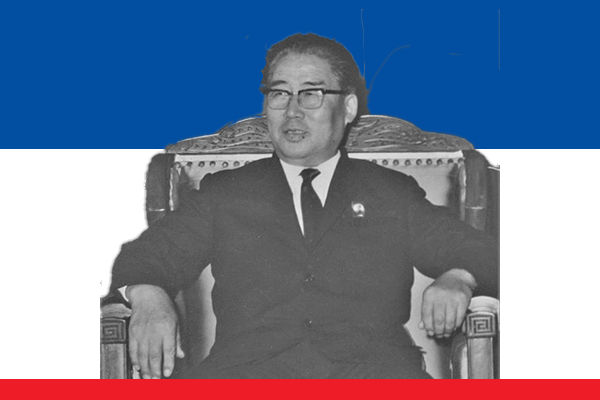
Early Life and Political Rise
Pak Song-chol was born in the early twentieth century and came of age during a time of Japanese colonial rule over Korea. Like many leaders of his generation, his political consciousness developed through anti-colonial struggle and revolutionary movements. After the establishment of the DPRK in 1948, he gradually rose through party and state institutions, gaining recognition for his administrative skills and ideological reliability. His early career laid the foundation for his later prominence in diplomacy and national leadership.
Role in North Korean Diplomacy
Pak Song-chol became especially well known for his work in foreign affairs. As a senior diplomat and later foreign minister, he represented North Korea on the international stage at a time when the country sought recognition, security, and strategic partnerships. He engaged with both socialist allies and non-aligned states, promoting Pyongyang’s position on Korean reunification, sovereignty, and opposition to foreign military presence on the peninsula.
His diplomatic style emphasized firm defense of North Korean ideology while also showing tactical flexibility when engaging with other governments. Pak Song-chol was often involved in high-level negotiations and international visits, making him one of the most visible faces of North Korean diplomacy during his tenure.
Vice Presidency and State Leadership
Pak Song-chol later assumed the role of Vice President of the DPRK, a position that placed him among the highest-ranking officials in the country. In this role, he supported the head of state and contributed to ceremonial, political, and diplomatic functions. The vice presidency symbolized trust from the top leadership and recognition of his long service to the state.
As vice president, Pak Song-chol continued to represent North Korea in important meetings and state events, reinforcing continuity in foreign policy and governance. His presence helped maintain stability within the leadership structure during periods of regional and international uncertainty.
Relationship with the Leadership
Pak Song-chol maintained a close working relationship with President Kim Il-sung, which was crucial for his sustained influence. Loyalty to the leader and adherence to the official ideology were essential for survival and advancement within the North Korean political system. Pak’s career demonstrated how trusted officials could gain long-term prominence by aligning themselves with the strategic vision of the ruling leadership.
Legacy and Historical Significance
The legacy of Vice President Pak Song-chol lies primarily in his contribution to North Korea’s diplomatic history. He served during a formative era when the DPRK sought to define its identity and position in a divided world. His work helped establish patterns of diplomatic engagement that continue to influence North Korean foreign policy today.
Although he did not leave behind a reformist or transformative legacy, Pak Song-chol remains significant as a symbol of continuity, discipline, and loyalty within the North Korean state. His life and career offer valuable insight into how diplomacy and leadership function in one of the world’s most closed political systems.
Conclusion
Vice President Pak Song-chol was a key figure in North Korea’s political and diplomatic landscape. Through decades of service, he represented the state’s interests, supported its leadership, and contributed to shaping its international posture. His role illustrates the importance of experienced diplomats in maintaining state policy and projecting authority on the global stage.