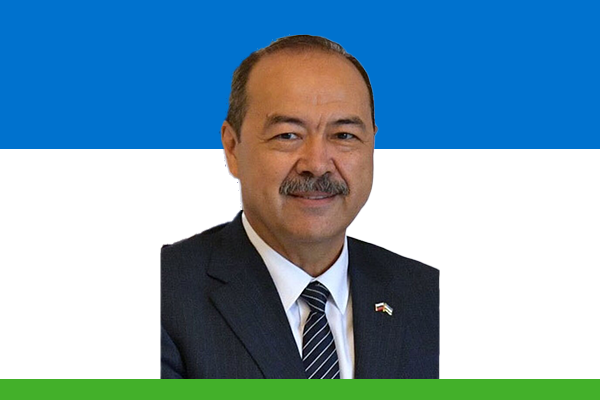
Mr. Abdulla Aripov
Assumed Office: 14 December 2016 – incumbent
Political Party: Uzbekistan Liberal Democratic
Home State: Tashkent
Lifespan: born–1961
Country: Uzbekistan
Image credits available here.
Early Life and Education
Abdulla Aripov was born in 1961 in Tashkent, Uzbekistan. From an early age, he showed a strong interest in science and administration. He pursued higher education in engineering and technical sciences, fields that later shaped his methodical and analytical style of governance. His academic background provided him with a solid foundation in problem-solving, systems management, and technological planning, which became key strengths in his political career.
Entry into Public Service
Aripov began his professional journey in technical and scientific institutions before transitioning into public administration. His early work involved communication systems and information technology, sectors that were rapidly gaining importance in Uzbekistan. Due to his expertise and disciplined work ethic, he quickly gained recognition within government circles. His rise through administrative roles demonstrated his ability to manage complex projects and coordinate across departments.
Political Career and Rise to Prime Minister
Before becoming Prime Minister, Abdulla Aripov served in several high-level government positions, including roles related to telecommunications, infrastructure, and regional administration. In 2016, the President of Uzbekistan appointed him as Prime Minister, entrusting him with the responsibility of implementing broad reforms and strengthening state institutions. Since then, Aripov has remained a key figure in shaping national policy and executing presidential initiatives.
Governance and Administrative Reforms
As Prime Minister, Abdulla Aripov has emphasized efficiency, accountability, and transparency in government operations. He has actively promoted administrative reforms aimed at reducing bureaucracy and improving public service delivery. Under his leadership, ministries and local authorities have adopted performance-based management practices, helping streamline decision-making processes and enhance coordination across government bodies.
Economic Development and Modernization
Economic reform stands at the core of Aripov’s tenure. He has overseen policies that encourage foreign investment, support private enterprise, and modernize key sectors such as energy, agriculture, and manufacturing. His government has focused on improving infrastructure, expanding industrial capacity, and integrating Uzbekistan more closely into regional and global markets. These efforts aim to create jobs, increase productivity, and ensure long-term economic stability.
Digital Transformation and Innovation
Drawing from his technical background, Abdulla Aripov has strongly supported digital transformation. He has advocated for e-government services, digital data management, and the modernization of communication networks. These initiatives seek to improve efficiency, reduce corruption, and make government services more accessible to citizens and businesses alike.
Leadership Style and Public Image
Abdulla Aripov is widely regarded as a disciplined and pragmatic leader. He maintains a low-profile public image, focusing more on implementation than rhetoric. His leadership style emphasizes responsibility, data-driven decisions, and close monitoring of policy outcomes. This approach has earned him respect as a steady administrator during a transformative period in Uzbekistan’s history.
Conclusion
Prime Minister Abdulla Aripov remains a central figure in Uzbekistan’s ongoing development and reform process. Through his focus on modernization, economic growth, and administrative efficiency, he has contributed significantly to strengthening the country’s governance framework. His technocratic leadership continues to shape Uzbekistan’s path toward stability, innovation, and sustainable progress.