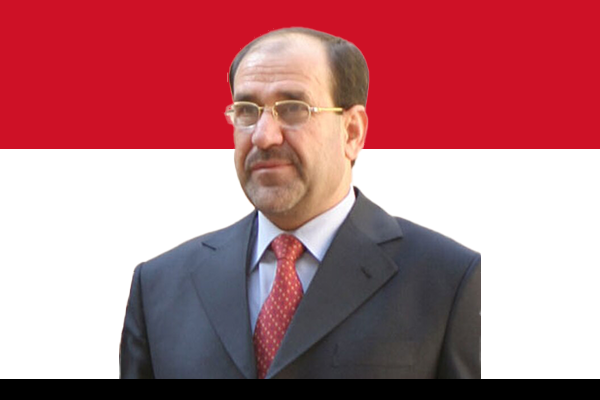
Early Life and Political Awakening
Nouri Kamil Muhammad Hasan al-Maliki was born in 1950 in the town of Al-Hindiya, near Karbala, into a religious Shia family. From an early age, he was influenced by political activism and religious thought. He pursued higher education in Arabic language and literature, which helped shape his political communication skills. During the rule of Saddam Hussein, al-Maliki joined the Islamic Dawa Party, a Shia political movement that opposed the Ba’athist regime. His involvement forced him into exile, where he spent many years in Syria and Iran, organizing opposition activities against Saddam’s government.
Rise After 2003
Following the fall of Saddam Hussein in 2003, al-Maliki returned to Iraq and quickly emerged as a prominent political leader. He became an important figure in the transitional political process and served in key roles within the new government. In 2006, amid severe sectarian violence and political instability, he was selected as a compromise candidate for Prime Minister. His appointment reflected the urgent need for a leader who could unify competing political factions while restoring order.
Leadership as Prime Minister
As Prime Minister, Nouri al-Maliki focused heavily on security and state authority. He launched major military operations against militias and insurgent groups, particularly in Baghdad and southern Iraq. These actions aimed to reduce sectarian violence and strengthen the central government’s control. His government also worked to rebuild national institutions, expand the role of Iraqi security forces, and reduce dependence on foreign troops.
Al-Maliki emphasized Iraqi sovereignty, particularly during negotiations related to the withdrawal of foreign military forces. Under his leadership, Iraq formally regained control over its security operations, a move that many supporters viewed as a symbol of national independence.
Political Challenges and Criticism
Despite these efforts, al-Maliki’s tenure was highly controversial. Critics accused him of concentrating power within the executive branch and marginalizing political rivals, especially Sunni leaders. His style of governance was often described as centralizing and confrontational, which deepened political divisions. Economic challenges, corruption, and uneven development further fueled public dissatisfaction.
The rise of extremist groups toward the end of his second term exposed weaknesses in Iraq’s security and governance structures. These events significantly damaged his political standing and led to increasing pressure for leadership change.
Later Career and Legacy
After leaving office in 2014, Nouri al-Maliki remained an influential political actor. He continued to lead factions within Iraq’s political system and played a role in shaping alliances and parliamentary decisions. His legacy remains deeply debated. Supporters credit him with restoring state authority and reducing militia power during a critical period, while critics argue that his policies contributed to long-term instability and political polarization.
Conclusion
Nouri al-Maliki’s years as Prime Minister were decisive for Iraq’s post-2003 trajectory. His leadership reflected both the ambitions and the struggles of a nation attempting to rebuild itself after war and dictatorship. Whether viewed as a strong defender of state authority or a divisive political figure, al-Maliki remains central to understanding modern Iraqi politics.