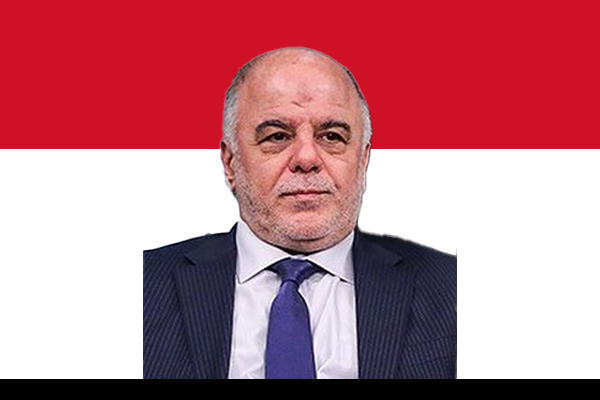
Early Life and Education
Haider Jawad Kadhim al-Abadi was born in Baghdad in 1952 into a politically active family. He pursued higher education in engineering, earning a doctorate in electrical engineering from the University of Manchester in the United Kingdom. His academic training shaped his analytical style and practical approach to governance. During his years abroad, al-Abadi became involved in political activism against the former Iraqi regime, aligning himself with opposition movements that advocated political reform and democracy.
Entry into Politics
After the fall of Saddam Hussein’s government in 2003, al-Abadi returned to Iraq and formally entered national politics. He became a member of the Islamic Dawa Party, one of Iraq’s most influential political groups. Al-Abadi quickly gained recognition for his calm demeanor, administrative competence, and ability to work across political and sectarian lines. He served in the Iraqi parliament and held several key committee roles, focusing on economic development and infrastructure.
Becoming Prime Minister
In 2014, Iraq faced an unprecedented security crisis with the rapid expansion of the Islamic State group, which seized large parts of Iraqi territory. Amid widespread dissatisfaction with the existing leadership, Haider al-Abadi was nominated and confirmed as Prime Minister. His appointment symbolized a shift toward a more inclusive and reform-oriented government. Al-Abadi promised to restore stability, rebuild state institutions, and reduce sectarian divisions.
Leadership During Crisis
As Prime Minister, al-Abadi prioritized national security and the restoration of territorial integrity. Under his leadership, Iraqi security forces, supported by international allies, launched major operations that ultimately led to the defeat of the Islamic State in Iraq. Al-Abadi also worked to strengthen the role of the Iraqi army and improve coordination among security institutions. His balanced approach helped rebuild trust between the central government and various communities.
Economic and Political Reforms
Beyond security, al-Abadi focused on economic reform and governance. He introduced austerity measures to address budget deficits caused by falling oil prices and ongoing conflict. His government sought to combat corruption, reform public sector management, and improve service delivery. Politically, al-Abadi advocated decentralization and dialogue with regional authorities, including efforts to ease tensions between Baghdad and the Kurdistan Regional Government.
Foreign Policy and Regional Relations
Haider al-Abadi pursued a pragmatic foreign policy aimed at maintaining balanced relations with regional and global powers. He emphasized Iraq’s sovereignty and avoided alignment with any single regional bloc. This approach helped Iraq rebuild diplomatic credibility and secure international support for reconstruction and security assistance during the post-conflict period.
Legacy and Impact
Al-Abadi’s tenure ended in 2018, but his impact on Iraq’s political landscape remains significant. He is widely credited with leading Iraq through a critical war period while promoting a vision of national unity and institutional reform. Although challenges persisted, his leadership laid foundations for greater stability and dialogue within the country.
Conclusion
Haider al-Abadi stands out as a leader who guided Iraq through crisis with restraint, strategic thinking, and an emphasis on inclusivity. His time as Prime Minister reflects the complexities of governing a diverse nation emerging from conflict, and his legacy continues to influence Iraq’s political direction.