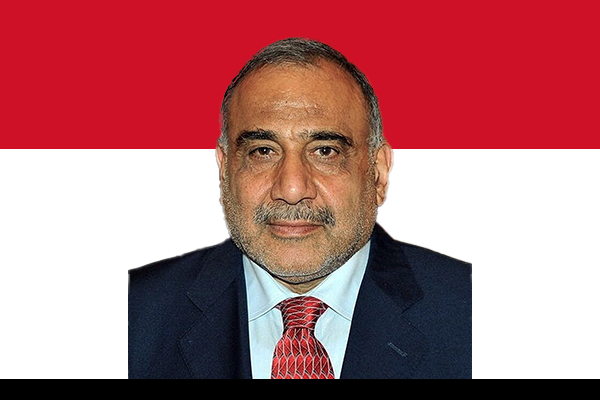
Early Life and Education
Adil Abdul-Mahdi was born in 1942 in Baghdad into a respected family with religious and intellectual roots. He pursued higher education in economics, studying in Iraq and later in France. His academic exposure to economic theory and political philosophy strongly influenced his approach to governance. During his early years, he engaged with ideological movements, including Marxist thought, before later aligning more closely with Islamic political perspectives. This ideological journey gave him a broad and nuanced understanding of political systems and state-building.
Political Career Before Premiership
Before becoming Prime Minister, Abdul-Mahdi held several key positions in Iraq’s post-Saddam political order. He served as Minister of Finance, where he focused on fiscal restructuring and engagement with international financial institutions. Later, he became Vice President of Iraq, gaining experience in high-level decision-making and state affairs. He also played a role in drafting economic visions aimed at diversifying Iraq’s oil-dependent economy. His reputation as a technocrat and consensus-builder helped him gain support across different political blocs.
Appointment as Prime Minister
In October 2018, Adil Abdul-Mahdi assumed office as Prime Minister after a prolonged political deadlock following parliamentary elections. Considered a compromise candidate, he gained backing from major political alliances that hoped his independent stance would reduce factional tensions. His government promised administrative reform, anti-corruption measures, improved public services, and job creation, especially for Iraq’s growing youth population.
Governance and Policy Priorities
As Prime Minister, Abdul-Mahdi emphasized economic reform, infrastructure development, and energy sector improvement. He sought to modernize state institutions, attract foreign investment, and enhance Iraq’s electricity and water supply systems. His administration also aimed to balance Iraq’s foreign relations, maintaining ties with regional neighbors and global powers while safeguarding national sovereignty.
Despite these goals, progress remained slow. Deep-rooted corruption, bureaucratic inefficiency, and political interference limited the government’s ability to implement reforms. Coalition politics often constrained executive authority, making decisive action difficult.
Public Protests and Resignation
In 2019, Iraq witnessed massive nationwide protests driven by unemployment, corruption, poor services, and political disillusionment. Demonstrators demanded systemic change and accountability from the ruling elite. Abdul-Mahdi’s government struggled to contain the unrest, and security forces’ response drew widespread criticism. As pressure mounted and political support eroded, he announced his resignation in November 2019, officially stepping down in early 2020. His resignation marked a significant moment, reflecting the power of popular movements in Iraq’s evolving democracy.
Legacy and Assessment
Adil Abdul-Mahdi’s tenure remains a subject of debate. Supporters view him as an intellectual leader constrained by entrenched political structures, while critics argue that his government failed to meet urgent public demands. His time in office highlighted the challenges of governance in Iraq, where reform efforts often collide with sectarian politics, institutional weakness, and public frustration.
Conclusion
Adil Abdul-Mahdi’s period as Prime Minister represents a critical chapter in Iraq’s contemporary history. Though his leadership was brief, it underscored the urgency of political reform and responsive governance. His experience continues to inform discussions about leadership, accountability, and the future direction of the Iraqi state.