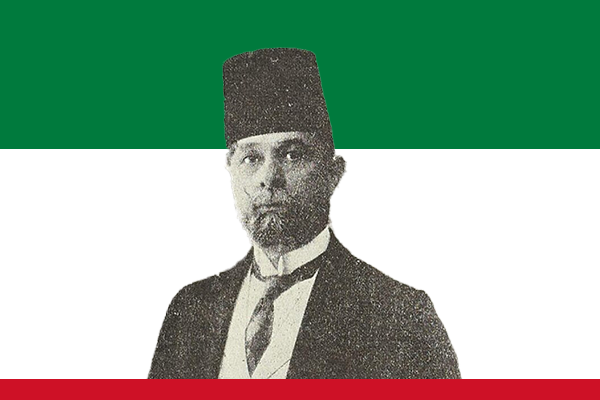
Early Life and Education
Rashid Talaa was born into a family that valued education, public service, and civic responsibility. From an early age, he demonstrated strong analytical skills and a deep interest in political affairs. He pursued higher education in political science and public administration, where he developed a solid understanding of governance, law, and international relations. His academic background provided him with the intellectual tools needed to navigate complex political systems and policy challenges.
Entry into Politics
Talaa began his political journey at the grassroots level, engaging with local governance and party organization. His ability to communicate effectively with both citizens and political peers quickly set him apart. Over time, he gained recognition as a disciplined strategist who emphasized dialogue, institutional strength, and ethical leadership. His rise through the political ranks was steady, driven by performance rather than rhetoric.
Rise to the Office of Prime Minister
Rashid Talaa assumed the office of prime minister during a period of political sensitivity and public demand for accountable leadership. His appointment symbolized continuity combined with cautious reform. Upon taking office, he outlined clear priorities: restoring public trust, improving administrative efficiency, and reinforcing national unity. His early decisions reflected a commitment to stability and constitutional governance.
Governance and Policy Approach
As prime minister, Talaa adopted a governance style rooted in consultation and evidence-based decision-making. He strengthened coordination among ministries and emphasized transparency in public administration. Economic policy under his leadership focused on fiscal discipline, development planning, and support for key sectors such as infrastructure, education, and public services. He consistently highlighted the importance of long-term planning over short-term political gains.
Social and Institutional Reforms
Rashid Talaa placed significant emphasis on social development and institutional reform. He supported initiatives aimed at improving access to education and healthcare, viewing them as foundations of national progress. In governance, he worked to modernize bureaucratic processes and encouraged merit-based appointments. His reform agenda sought to create resilient institutions capable of withstanding political pressures and societal change.
Foreign Policy and Diplomacy
In foreign affairs, Prime Minister Talaa favored balanced diplomacy and constructive engagement. He maintained dialogue with regional and international partners while prioritizing national sovereignty and interests. His diplomatic approach aimed to enhance cooperation in trade, security, and cultural exchange, positioning the country as a responsible and reliable actor on the international stage.
Leadership Style and Public Image
Rashid Talaa earned a reputation as a calm, methodical, and disciplined leader. Rather than relying on populism, he focused on policy clarity and institutional respect. Supporters praised his consistency and integrity, while critics often viewed him as cautious. Nonetheless, his leadership style reflected a belief that sustainable governance depends on patience, compromise, and respect for democratic norms.
Legacy and Significance
The legacy of Prime Minister Rashid Talaa lies in his commitment to stability, reform, and institutional strength. His tenure demonstrated the importance of responsible leadership during transitional periods. While debates continue about the pace and scope of his reforms, his role in reinforcing governance frameworks and promoting measured progress remains widely acknowledged.