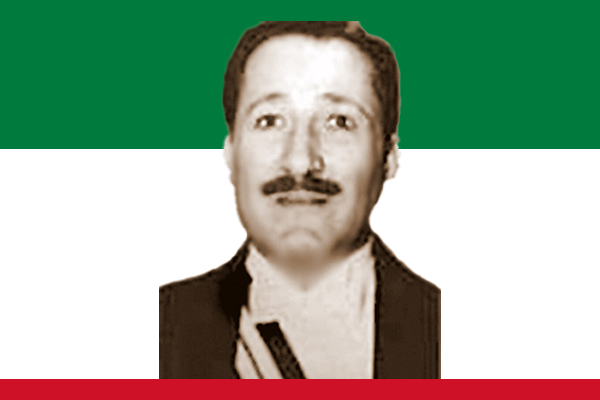
Early Life and Political Background
Saad Jumaa was born in Libya and received a formal education that prepared him for public service and administration. He entered politics during a period when Libya was still shaping its national institutions after independence. Over time, he gained recognition as a capable administrator and reform-minded politician. His experience in government helped him build credibility among political elites and positioned him for higher office within the monarchy.
Appointment as Prime Minister
Saad Jumaa became Prime Minister in 1967 under King Idris I. His appointment followed a period of political instability and public frustration with the government’s handling of national affairs. The regional impact of the Arab–Israeli War of 1967 further intensified public anger, particularly toward Western influence in Libya. Jumaa was chosen in part because of his reputation as a reformer who could calm unrest and introduce meaningful changes.
Domestic Policies and Reforms
As Prime Minister, Saad Jumaa focused on addressing corruption, administrative inefficiency, and public dissatisfaction. His government emphasized political reform, transparency, and accountability. One of his major goals was to reduce foreign influence in Libyan affairs and assert stronger national sovereignty. He also sought to improve state institutions and restore public confidence in the monarchy.
Jumaa’s government took steps to respond to popular demands for justice and reform. However, entrenched interests and resistance from powerful political groups made it difficult to implement change quickly. Despite good intentions, his administration struggled to balance reform with stability.
Challenges and Political Pressure
Saad Jumaa faced significant challenges during his tenure. Public protests, political opposition, and dissatisfaction among young military officers created a tense atmosphere. Many Libyans believed that reforms were too slow and insufficient to address deep-rooted problems. The monarchy itself was increasingly seen as disconnected from the aspirations of the population.
These pressures limited Jumaa’s ability to govern effectively. While he attempted to modernize the political system, the structural weaknesses of the state and growing revolutionary sentiment made his position increasingly fragile.
Resignation and Aftermath
In 1969, Saad Jumaa resigned from office amid mounting instability. Shortly after his departure, the Libyan monarchy was overthrown in a military coup led by young officers, bringing an end to the royal era. Although Jumaa was no longer Prime Minister at the time of the coup, his period in office is often viewed as the final attempt to reform the monarchy from within.
Historical Significance
Saad Jumaa’s legacy lies in his role as a transitional leader during one of Libya’s most turbulent periods. He represented an effort to pursue reform through constitutional means rather than revolution. While his government ultimately failed to prevent the collapse of the monarchy, his tenure highlights the challenges of leadership during times of rapid social and political change.
Conclusion
Prime Minister Saad Jumaa remains a significant figure in Libyan history. His leadership reflected both the hopes and limitations of reform in pre-revolutionary Libya. Though constrained by circumstances beyond his control, his efforts marked an important chapter in the country’s journey toward political transformation.