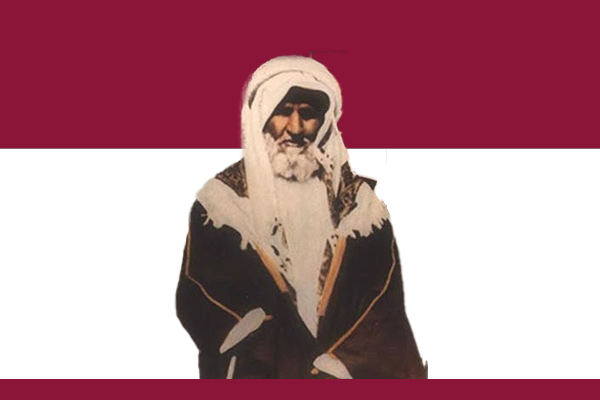
Early Life and Background
Jassim bin Mohammed Al Thani grew up in a period when the Arabian Gulf region was politically unstable. Different tribes competed for power, and external forces such as the Ottoman Empire and the British Empire tried to control the region. From a young age, Jassim learned leadership, tribal politics, and military strategy from his father. He gained respect among local tribes for his intelligence, bravery, and fairness.
He lived mainly in Doha, which later became the capital of Qatar. During his early years, he helped his father manage tribal affairs and resolve conflicts. These experiences prepared him to take on greater responsibilities in the future.
Leadership and Rise to Power
In 1878, Jassim bin Mohammed Al Thani officially became the leader of Qatar after his father stepped down. His main goal was to protect Qatar’s independence and strengthen its unity. At that time, the Ottoman Empire tried to expand its influence in Qatar. Initially, Jassim cooperated with them to maintain peace, but he later opposed their interference in Qatar’s internal affairs.
One of the most important moments in his leadership came in 1893 during the Battle of Al Wajbah. In this battle, Jassim’s forces fought against the Ottoman army. Despite being less equipped, his troops successfully resisted the Ottomans. This victory was very significant because it proved that Qatar could defend itself. It also strengthened Jassim’s reputation as a strong and capable leader.
Achievements and Contributions
Jassim bin Mohammed Al Thani achieved many important things for Qatar. His greatest contribution was uniting the tribes under one leadership. Before his rule, tribes often fought each other, which weakened the region. Jassim brought stability and cooperation.
He also laid the political foundation of the country. His leadership helped establish Qatar as an independent state rather than being controlled by foreign powers. He promoted justice, fairness, and Islamic values in governance, which earned him respect among his people.
Jassim encouraged economic activities such as pearling, which was the main source of income for Qatar at that time. His efforts helped improve the living conditions of his people and strengthened the country’s economy.
Legacy and Death
Jassim bin Mohammed Al Thani died in 1913, but his legacy continues to live on. He is remembered as the father of the nation. His vision, leadership, and determination helped create modern Qatar.
Today, Qatar celebrates National Day on December 18 every year in his honor. This day reminds the people of his contributions and their national unity. His descendants from the Al Thani family continue to rule Qatar.
Conclusion
Jassim bin Mohammed Al Thani was not just a tribal leader but a nation builder. He united the tribes, defended Qatar’s independence, and established strong leadership. His courage in facing powerful empires and his dedication to his people made him one of the greatest leaders in Qatar’s history. Modern Qatar stands as a symbol of his vision and hard work. He remains a source of pride and inspiration for the Qatari people.