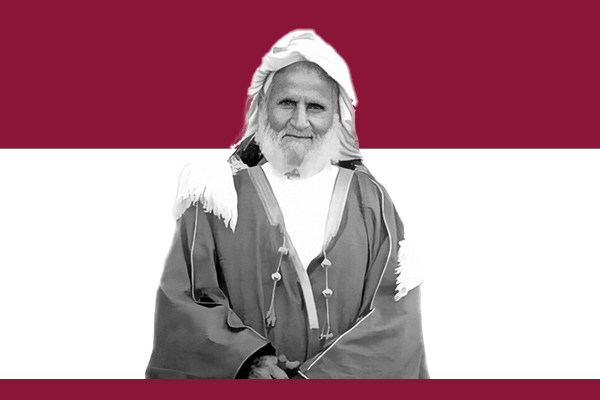
Early Life and Background
Abdullah bin Jassim Al Thani was born in 1880 in Doha. He was the son of Sheikh Jassim bin Mohammed Al Thani, the founder of modern Qatar. From a young age, Abdullah was involved in governance and leadership activities. He learned important skills such as diplomacy, administration, and tribal leadership from his father. These experiences prepared him to become the ruler of Qatar in the future.
He grew up during a time when Qatar faced external pressures from regional powers and foreign influence, especially from the Ottoman Empire and the British Empire.
Becoming Emir of Qatar
Abdullah became the Emir of Qatar in 1913 after his father stepped down. His rule began during a difficult political period. One of his first major challenges was dealing with foreign influence and protecting Qatar’s sovereignty.
In 1916, he signed a treaty with Britain. Under this agreement, Britain provided protection to Qatar, and in return, Qatar agreed to maintain certain diplomatic relations through Britain. This treaty helped protect Qatar from regional threats and ensured political stability.
Leadership During Economic Hardship
One of the greatest challenges Abdullah faced was the collapse of the pearling industry in the 1920s and 1930s. Pearling had been Qatar’s main source of income, and its decline caused widespread poverty and economic problems.
Despite these hardships, Abdullah maintained unity and order in the country. He worked to support his people and preserve stability during this difficult economic period.
Discovery of Oil and Modern Development
A major turning point during Abdullah’s rule was the discovery of oil. In 1935, he signed an oil concession agreement, allowing oil exploration in Qatar. Oil was discovered in 1939, although production was delayed due to World War II.
The discovery of oil later transformed Qatar’s economy and laid the foundation for its future wealth and development. Abdullah’s decision to allow oil exploration was crucial for Qatar’s modernization.
Strengthening Political Stability
Abdullah bin Jassim Al Thani also focused on strengthening internal governance. He managed tribal relations carefully and ensured peace within the country. His leadership helped create a unified political system.
He built important government structures and established the authority of the ruling family, which continues to lead Qatar today.
Abdication and Later Life
In 1949, Abdullah stepped down as Emir and handed power to his son, Sheikh Ali bin Abdullah Al Thani. This peaceful transfer of power ensured political continuity and stability.
After abdication, Abdullah lived a quiet life until his death in 1957.
Legacy and Historical Importance
Abdullah bin Jassim Al Thani is remembered as a wise and strong leader. His reign marked the transition of Qatar from a traditional pearling society to a modern state preparing for oil wealth.
His major achievements include:
- Securing political stability
- Signing important international treaties
- Allowing oil exploration
- Strengthening Qatar’s governance
His leadership laid the foundation for Qatar’s future success.
Conclusion
Abdullah bin Jassim Al Thani played a vital role in shaping modern Qatar. He ruled during a time of great challenges and opportunities. Through his wisdom and leadership, he protected Qatar’s independence and guided it toward modernization. Today, he is respected as one of the most important figures in Qatar’s history and a key architect of its national development.