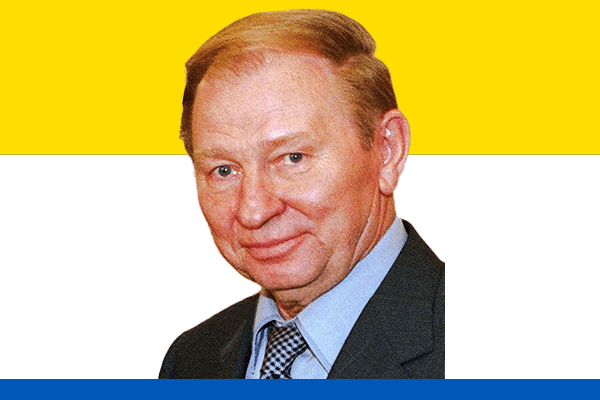
Early Life and Education
Leonid Kuchma was born on August 9, 1938, in the village of Chaikyne in northern Ukraine, which at that time formed part of the Soviet Union. He grew up in a rural environment during a period when the region experienced significant social and political change. His family valued education, and Kuchma developed a strong interest in science and technology during his youth.
He attended the Dnipropetrovsk State University, where he studied mechanical engineering. After graduating, he began working in the Soviet aerospace and missile industry. His technical skills and leadership abilities helped him advance quickly within the industry.
Career in the Soviet Industrial Sector
Kuchma spent much of his early career working at the Yuzhmash missile and space technology factory in Dnipropetrovsk. The plant played a crucial role in the Soviet Union’s space and defense programs. Over time, he rose through the ranks and eventually became the director of the factory.
His management style focused on efficiency and technological advancement. Under his leadership, the enterprise strengthened its position as one of the most important industrial centers in the Soviet Union. This experience gave him valuable administrative skills that later helped him in politics.
Entry into Politics
After Ukraine gained independence in 1991, Kuchma entered national politics. He first served as Prime Minister of Ukraine from 1992 to 1993 under President Leonid Kravchuk. During this time, the country struggled with severe economic challenges, including inflation, industrial decline, and the transition from a planned economy to a market system.
Kuchma advocated economic reforms and stronger economic ties with both Russia and Western countries. His approach aimed to balance Ukraine’s historical connections with Russia while building relationships with Europe and the global community.
Presidency of Ukraine
In 1994, Leonid Kuchma won the presidential election and became the second president of Ukraine. His campaign promised economic stabilization and structural reform. During his presidency, Ukraine introduced important economic policies that helped reduce hyperinflation and encouraged private enterprise.
One of his major achievements was the introduction of Ukraine’s national currency, the hryvnia, in 1996. The government also adopted a new constitution the same year, which established the framework for Ukraine’s democratic institutions.
Kuchma sought to maintain a balanced foreign policy. He developed diplomatic relations with Western countries while also maintaining cooperation with Russia. This approach allowed Ukraine to strengthen its international standing during a period of regional uncertainty.
Challenges and Controversies
Despite these achievements, Kuchma’s presidency faced several controversies. Critics accused his government of limiting press freedom and allowing corruption to spread within political institutions. One of the most serious scandals involved the murder of journalist Georgiy Gongadze in 2000. The case created major political protests and damaged Kuchma’s reputation both domestically and internationally.
Political opposition movements gained strength during this time. These tensions highlighted the ongoing struggle to establish strong democratic institutions in Ukraine after independence.
Legacy and Later Role
Leonid Kuchma left office in 2005 after completing two presidential terms. His leadership period remains one of the most important stages in Ukraine’s post-Soviet history. Supporters credit him with stabilizing the economy and strengthening Ukraine’s independence, while critics argue that his government slowed democratic reforms.
Even after leaving the presidency, Kuchma continued to participate in diplomatic efforts related to Ukraine’s political issues. His experience in international negotiations made him an influential figure in discussions about regional stability and peace.
Conclusion
Leonid Kuchma played a central role in Ukraine’s transition from a Soviet republic to an independent state. His presidency introduced economic reforms, established important national institutions, and shaped Ukraine’s early foreign policy direction. Although controversies surrounded parts of his leadership, his influence on Ukraine’s political and economic development remains significant.