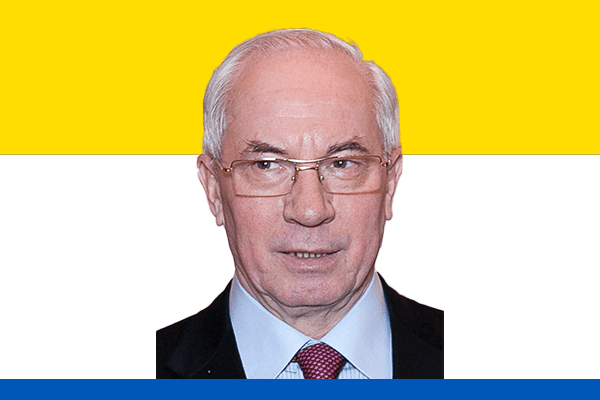
Early Life and Education
Mykola Azarov was born on December 17, 1947, in Kaluga in the Soviet Union. He studied geology and engineering during his university years and developed strong analytical and technical skills. Early in his career, he worked as a geologist and researcher. His professional experience in science helped him build a reputation for discipline and organization.
During the late Soviet period, Azarov became interested in public administration and economic planning. After Ukraine gained independence in 1991, he began participating more actively in government work. His technical knowledge and experience in management helped him move into important positions within the country’s financial administration.
Rise in Ukrainian Politics
Azarov entered national politics during the 1990s. He gained recognition when he served as the head of Ukraine’s State Tax Administration. In that role, he focused on improving tax collection and strengthening the country’s financial system. His efforts aimed to stabilize government revenue and improve fiscal discipline.
Because of his success in financial administration, political leaders trusted him with greater responsibility. He later served as the First Vice Prime Minister and Finance Minister. In these roles, Azarov developed economic policies designed to encourage stability and government control over financial institutions.
His close cooperation with senior political leaders helped him become one of the most influential members of Ukraine’s government.
Prime Minister of Ukraine
Mykola Azarov became Prime Minister in 2010. As head of the government, he focused heavily on economic reform and administrative efficiency. His government attempted to reduce budget deficits, modernize tax systems, and improve infrastructure.
Azarov also supported closer economic cooperation with neighboring countries. He believed that stronger trade partnerships could strengthen Ukraine’s economy and provide long-term growth. His administration introduced several reforms intended to improve investment conditions and reduce financial instability.
However, many Ukrainians criticized some of these policies. Critics argued that certain reforms increased financial pressure on ordinary citizens. Political opponents also claimed that his government limited political competition and strengthened centralized power.
Political Crisis and Resignation
The most dramatic period of Azarov’s leadership occurred during the political protests that erupted in Ukraine in 2013 and 2014. Large demonstrations began after the government suspended preparations for a major agreement with the European Union. Many citizens protested because they believed the decision moved Ukraine away from European integration.
The protests quickly grew into a large national movement demanding political reforms and government change. Demonstrators organized rallies in major cities, and tensions between protesters and security forces increased.
As the crisis intensified, political pressure on Azarov’s government grew. In January 2014, he announced his resignation as Prime Minister. His decision aimed to reduce political tension and allow the government to pursue compromise during the crisis.
Legacy and Political Impact
Mykola Azarov remains a controversial figure in Ukrainian political history. Supporters remember his efforts to strengthen financial administration and maintain economic stability during difficult times. They argue that his experience helped the government manage complex economic challenges.
Critics, however, associate his leadership with political centralization and unpopular economic decisions. They also link his government to the political crisis that transformed Ukraine’s political landscape in 2014.