Mr. Henry Pelham
In Office: 27 August 1743 – 6 March 1754
Political Party: Whig
Home State: Compton Wynyates
Lifespan: 1694–1754
Country: United Kingdom
Image credits available here.
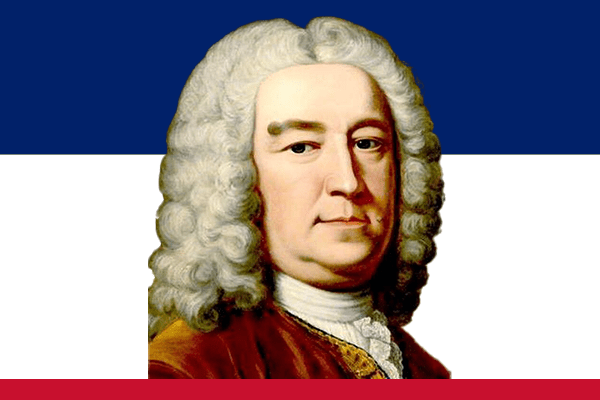
Early Life and Political Background
Henry Pelham was born on 25 September 1694 into a prominent political family in England. His father, Thomas Pelham, held the title of Baron Pelham, which placed the family among the influential aristocracy of the country. Henry received his education at prestigious institutions, including Westminster School and Christ Church, Oxford. These institutions helped shape his understanding of politics, governance, and classical studies.
After completing his education, Pelham entered politics at a relatively young age. In 1717 he became a Member of Parliament and joined the political group known as the Whigs. The Whig Party supported constitutional monarchy and parliamentary authority, and Pelham quickly gained recognition as a loyal and effective party member. His political career progressed steadily, and senior leaders began to trust his judgment and administrative ability.
Rise to Power
Pelham’s rise in government occurred during the reign of George II. Before becoming Prime Minister, he held several important government positions, including Secretary at War and Chancellor of the Exchequer. In these roles he demonstrated strong financial management and administrative skill.
In 1743 Pelham assumed the role of Prime Minister following the resignation of Spencer Compton. At the same time, his brother Thomas Pelham-Holles became an influential partner in government. The two brothers worked closely together, forming a powerful political alliance that dominated British politics during this period.
Leadership and Policies
Henry Pelham governed with a focus on stability and cooperation. Rather than pursuing aggressive political battles, he attempted to maintain unity within Parliament and avoid unnecessary conflicts. This approach allowed him to manage the government effectively for more than a decade.
One of Pelham’s most significant achievements involved financial reform. He reduced the national debt and improved the financial stability of the government. In 1749 he introduced a major plan to convert high-interest government debt into lower-interest securities. This policy saved the government a considerable amount of money and strengthened public confidence in the financial system.
Pelham also worked to maintain peace after the War of the Austrian Succession. The war had placed heavy financial pressure on Britain, and Pelham recognized the importance of rebuilding the economy. His moderate policies helped stabilize the country and prevented further large-scale conflicts during much of his administration.
Political Influence and Governance
Pelham built a government that relied on cooperation among political factions. He maintained strong relationships with members of Parliament and often negotiated compromises that kept the Whig Party united. His leadership style emphasized diplomacy, patience, and careful planning.
Many historians credit Pelham with strengthening parliamentary government in Britain. He encouraged collective decision-making and ensured that government policies reflected the interests of Parliament rather than the personal preferences of the monarch.
Death and Legacy
Henry Pelham died on 6 March 1754 while still serving as Prime Minister. His death created a significant gap in British politics because his leadership had maintained stability for more than a decade. After his passing, his brother Thomas Pelham-Holles assumed a larger role in government.