Mr. Charles Watson-Wentworth
In Office: 27 March 1782 – 1 July 1782
13 July 1765 – 30 July 1766
Political Party: Whig
Home State: St Martin-in-the-Fields
Lifespan: 1730–1782
Country: United Kingdom
Image credits available here.
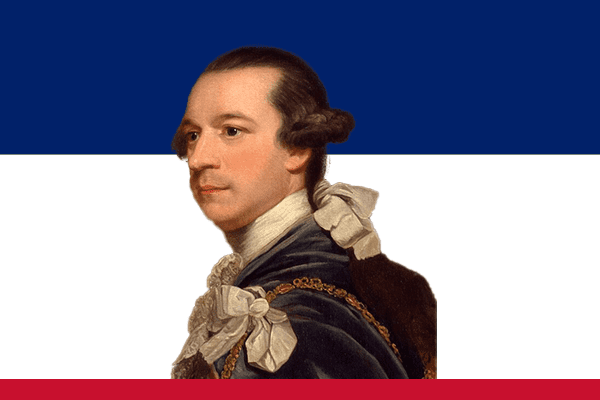
Early Life and Background
Charles Watson-Wentworth was born on 13 May 1730 into one of the wealthiest and most influential aristocratic families in Britain. He inherited the title of Marquess of Rockingham in 1750 after the death of his father. With this inheritance, he gained great estates, political power, and a seat in the House of Lords. His family background gave him a strong position in national politics, and he soon became a leading figure among the Whigs.
Rockingham received his education at Westminster School and later traveled in Europe, as was common for young aristocrats of his time. His wealth and status allowed him to build strong political alliances. He developed a reputation as a serious, principled, and respectable nobleman.
First Term as Prime Minister
Rockingham first became Prime Minister in 1765. King George III appointed him during a period of political instability. His government is best known for repealing the Stamp Act of 1765, a deeply unpopular tax imposed on the American colonies. Many colonists strongly opposed the act, and protests spread quickly.
Rockingham believed that the Stamp Act harmed Britain’s relationship with the colonies. Under his leadership, Parliament repealed the act in 1766. This decision brought temporary relief and showed his willingness to compromise. However, at the same time, Parliament passed the Declaratory Act, which stated that Britain still had the right to make laws for the colonies. This created a mixed legacy for his first ministry.
Despite this major action, Rockingham’s first government lasted only about a year. Political rivalries and royal opposition weakened his administration, and he left office in 1766.
Years in Opposition
After leaving office, Rockingham became one of the most important leaders of the Whig opposition. He led a political group known as the Rockingham Whigs, who supported parliamentary independence and opposed the growing influence of the king over government.
During the 1770s, Rockingham criticized British policies toward the American colonies. He believed harsh taxation and strict control would create rebellion rather than loyalty. His views were more moderate than those of many other politicians of the time. He supported reform and conciliation instead of confrontation.
His political ideas influenced many younger politicians, including the famous statesman Edmund Burke, who served as his close ally and supporter. Burke admired Rockingham’s character, loyalty, and constitutional principles.
Second Term as Prime Minister
Rockingham returned as Prime Minister in March 1782, during the later stages of the American War of Independence. Britain had suffered serious military and political setbacks, and many people had lost confidence in the previous government. Rockingham took office with the goal of ending the war and restoring political trust.
In his second ministry, he moved toward recognizing the need for peace with the American colonies. He supported negotiations that would eventually lead to the end of the war. He also worked to reduce corruption and limit the misuse of royal patronage in politics.
Unfortunately, his second term was very short. Charles Watson-Wentworth died in office on 1 July 1782, only a few months after returning to power. His death ended the immediate influence of his ministry, but his ideas continued through his followers.
Legacy and Historical Importance
Charles Watson-Wentworth is remembered as a principled and honorable statesman rather than a dramatic or forceful ruler. He did not dominate politics through charisma or military success, but he earned respect for his integrity and moderation. He defended constitutional balance, supported Parliament’s proper role, and resisted unnecessary political pressure from the Crown.
Historians often view him as one of the more thoughtful leaders of 18th-century Britain. His efforts to reconcile with the American colonies came too late to prevent independence, but they showed political wisdom. His support for reform and responsible government left a lasting mark on British political development.
In summary, Charles Watson-Wentworth, 2nd Marquess of Rockingham, played a crucial role in British history. As Prime Minister, he guided Britain through moments of crisis and stood for constitutional values, moderation, and political principle.