Mr. Frederick North
In Office: 28 January 1770 – 27 March 1782
Political Party: Tory
Home State: St Martin-in-the-Fields
Lifespan: 1732–1792
Country: United Kingdom
Image credits available here.
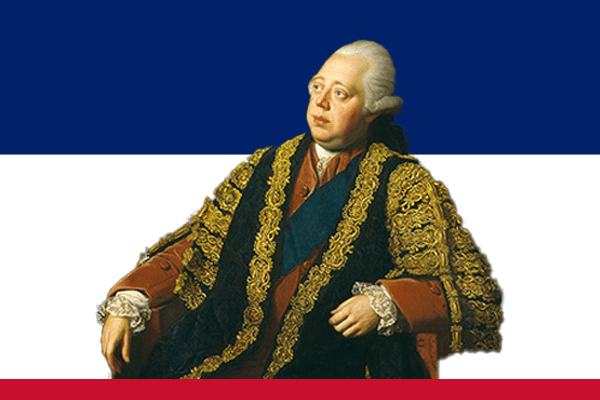
Early Life and Political Career
Frederick North was born on April 13, 1732, in London. He belonged to a prominent political family. His father, Francis North, played an important role in British politics and influenced his son’s political career. North received his education at Eton College and later at Trinity College, Oxford, where he gained a reputation as an intelligent and disciplined student.
North entered Parliament in 1754 as a member of the House of Commons. He quickly gained recognition for his speaking ability, calm temperament, and knowledge of financial matters. His political career progressed steadily, and he held several important government positions. In 1767, he became Chancellor of the Exchequer, where he managed the country’s financial policies and taxation system.
Premiership and Leadership
In 1770, King George III appointed Lord North as Prime Minister. North accepted the position during a period of increasing tension between Britain and its American colonies. The British government attempted to raise revenue from the colonies through various taxes. These measures angered colonial leaders and intensified resistance.
One of the most controversial policies during North’s administration was the Tea Act of 1773. This act aimed to support the struggling British East India Company by allowing it to sell tea directly to the American colonies. Colonial protesters strongly opposed the act, and the conflict escalated when demonstrators organized the Boston Tea Party. In response, North’s government introduced the Coercive Acts, which aimed to punish Massachusetts and restore British authority.
Despite several attempts to reach a compromise, tensions continued to rise. In 1775, open conflict began between British forces and colonial militias. The American Revolutionary War lasted several years and placed immense pressure on North’s government. Britain faced military challenges, financial strain, and growing criticism from political opponents.
Challenges and Resignation
Lord North remained loyal to King George III throughout the conflict. However, the war gradually weakened his political support. The defeat of British forces at the Battle of Yorktown proved to be a turning point. After this major setback, many members of Parliament demanded a change in leadership.
In 1782, North resigned as Prime Minister. His resignation marked the end of a twelve-year administration, one of the longest premierships of the eighteenth century. Although critics blamed him for the loss of the American colonies, historians often debate how much responsibility he personally carried, since many decisions were strongly influenced by the king and Parliament.
Later Political Life and Death
After leaving office, Frederick North continued to participate in British politics. In 1783, he formed an unusual political alliance with Charles James Fox, creating the Fox–North Coalition government. This coalition briefly governed Britain before political opposition forced its collapse.
Frederick North died on August 5, 1792. His political career reflected the complex challenges of governing a global empire during a time of revolution and political transformation. While many people remember him mainly for the American Revolutionary War, he also demonstrated loyalty, administrative skill, and dedication to public service.
Legacy
Frederick North’s premiership remains one of the most debated periods in British history. His leadership occurred during a crisis that reshaped the British Empire and led to the creation of the United States. Although historians often criticize his policies toward the colonies, they also recognize the difficult political environment in which he governed. Today, Lord North is remembered as a key figure whose decisions influenced the course of British and American history.