Mr. William Grenville
In Office: 11 February 1806 – 25 March 1807
Political Party: Whig
Home State: Hayes, Bromley
Lifespan: 1759–1834
Country: United Kingdom
Image credits available here.
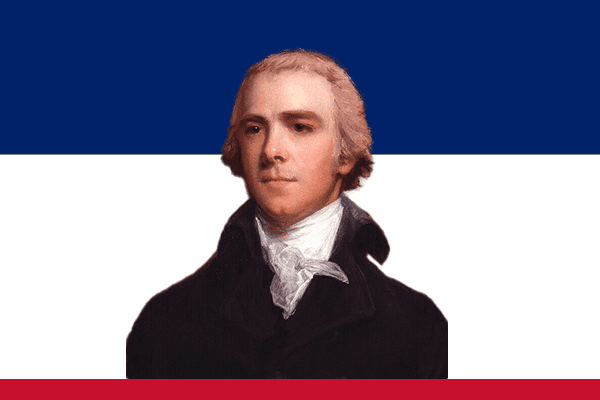
Early Life and Political Background
William Grenville was born on 25 October 1759 into the influential Grenville political family. He was the son of George Grenville, a former British Prime Minister, which gave him early exposure to politics and government. He studied at Eton and later at Christ Church, Oxford, where he developed a strong academic foundation. He also trained in law and was called to the bar, but politics soon became his main career.
Grenville entered Parliament in 1782 and quickly gained attention for his skill in debate and administration. He worked closely with William Pitt the Younger, one of the most powerful political figures of the era. Pitt trusted Grenville and appointed him to several important offices. As Foreign Secretary from 1791 to 1801, Grenville managed British diplomacy during the long struggle against Revolutionary France. He helped shape Britain’s alliances and defended national interests during a time of European instability.
Premiership and Major Achievements
William Grenville became Prime Minister in February 1806 after the death of Pitt the Younger. King George III appointed him to lead a broad coalition government known as the “Ministry of All the Talents.” This ministry brought together politicians from different factions in an attempt to create national unity during the Napoleonic Wars. Grenville’s cabinet included several experienced and respected leaders, making it one of the strongest governments of its time.
The most important achievement of Grenville’s premiership was the abolition of the British slave trade. His government strongly supported the campaign led by reformers such as William Wilberforce. In 1807, Parliament passed the Slave Trade Act 1807, ending British participation in the transatlantic slave trade. This act became a landmark in British and global humanitarian history.
Grenville also tried to improve conditions for Roman Catholics by supporting limited Catholic emancipation, especially for Irish soldiers. However, this policy created conflict with King George III, who strongly opposed it. The disagreement weakened the government and led to Grenville’s resignation in March 1807.
Later Life and Legacy
After leaving office, Grenville remained active in politics but never returned as Prime Minister. He continued to support moderate reform and contributed to national debates in the House of Lords. Over time, he became known as a thoughtful statesman rather than a mass popular leader. His speeches and policies showed a deep concern for constitutional government and moral responsibility.
William Grenville died on 12 January 1834. Historians remember him not for a long premiership, but for a meaningful and principled one. His greatest legacy remains his role in ending the British slave trade, an achievement that gave his short government lasting importance. Grenville stands as a respected figure in British political history, proving that even a brief period in power can produce lasting change.