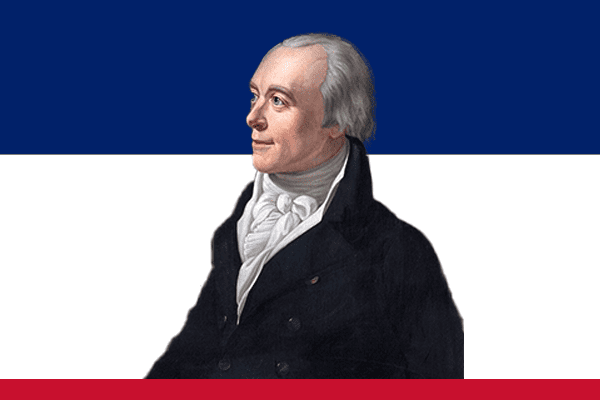
Mr. Spencer Perceval
In Office: 4 October 1809 – 11 May 1812
Political Party: Whig
Home State: Mayfair
Lifespan: 1762–1812
Country: United Kingdom
Image credits available here.
Early Life and Education
Spencer Perceval was born on 1 November 1762 in London. He came from a prominent political family; his father, John Perceval, 2nd Earl of Egmont, served as a well-known statesman. Perceval studied at Harrow School and later attended Trinity College, Cambridge.
After completing his education, Perceval chose a legal career. He trained as a barrister at Lincoln’s Inn and gained recognition for his strong debating skills and legal expertise. His success as a lawyer helped him build a reputation that later supported his entry into politics.
Political Career
Spencer Perceval entered Parliament in 1796 as a member of the British Parliament. He quickly aligned himself with the Tory political tradition and supported the policies of William Pitt the Younger. Perceval strongly opposed radical political reforms and defended the authority of the monarchy and the established church.
His dedication and political skills helped him rise quickly in government. He served as Solicitor General and later became Attorney General. In 1807 he joined the government of William Cavendish-Bentinck, 3rd Duke of Portland as Chancellor of the Exchequer. When Portland resigned in 1809, Perceval became Prime Minister.
Premiership (1809–1812)
During his time as Prime Minister, Spencer Perceval faced serious national challenges. Britain remained deeply involved in the Napoleonic Wars against Napoleon Bonaparte. Perceval strongly supported continued military resistance against France and worked to secure financial resources for the war.
He also defended the controversial Orders in Council, which restricted neutral trade with France. These policies created tensions with the United States and contributed to rising diplomatic conflicts that eventually led to the War of 1812.
Despite these challenges, Perceval maintained strong support among conservative politicians and the monarchy. He emphasized fiscal discipline, religious values, and national unity during wartime.
Assassination
On 11 May 1812, a tragic event ended Perceval’s career and life. While entering the lobby of the Palace of Westminster, he was shot by John Bellingham, a merchant who believed the government had ignored his grievances.
The assassination shocked the nation and marked a unique moment in British political history. Authorities quickly arrested Bellingham, and he was later tried and executed. Perceval remains the only British Prime Minister ever assassinated.
Legacy
Spencer Perceval’s legacy continues to attract historical interest. Historians often remember him for his dedication to conservative principles and his leadership during a critical wartime period. Although his time in office lasted only three years, he maintained stability in government while Britain fought against Napoleon.
Perceval also left a personal legacy as a devoted family man and deeply religious leader. His sudden death changed British politics and highlighted the dangers faced by public figures in times of political tension.