Mr. Robert Peel
In Office: 0 August 1841 – 29 June 1846
10 December 1834 – 8 April 1835
Political Party: Conservative
Home State: Bury
Lifespan: 1788–1850
Country: United Kingdom
Image credits available here.
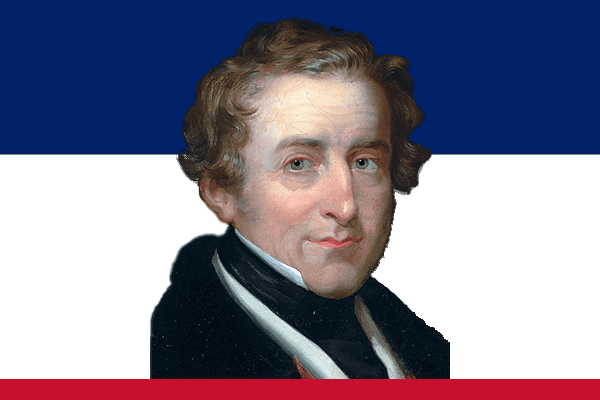
Early Life and Education
Robert Peel was born on 5 February 1788 in Bury, Lancashire, England. His father, Sir Robert Peel, 1st Baronet, was a wealthy industrialist and Member of Parliament. Peel received a strong education at Harrow School and later studied at Christ Church, Oxford. At Oxford, he excelled academically and developed a reputation for discipline and intelligence.
In 1809, Peel entered Parliament as a representative for the Irish constituency of Cashel. His political career advanced rapidly because he demonstrated administrative skill and loyalty to the government.
Early Political Career
Peel gained experience in government through several important positions. In 1812, he became Chief Secretary for Ireland. During this period, he worked to strengthen law and order and improve the Irish administrative system. Although some of his policies faced criticism, he gained recognition as a capable and hardworking administrator.
Later, Peel served as Home Secretary in the British government. In this role, he introduced major reforms in criminal law and policing. In 1829, he established the Metropolitan Police Service in London. This professional police force replaced earlier informal systems of law enforcement. Because of this reform, police officers in Britain became popularly known as “Bobbies,” a nickname derived from Peel’s first name.
First Term as Prime Minister
Robert Peel first became Prime Minister in 1834 after King William IV dismissed the previous government. However, Peel’s first administration lasted only a few months because his party lacked a majority in Parliament. Despite the short duration, he issued the famous Tamworth Manifesto, which outlined moderate conservative principles and supported gradual reform. This document helped define the modern Conservative Party.
Second Term and Major Reforms
Peel returned to power in 1841 and began a second and more successful term as Prime Minister. During this period, he focused on economic reform and financial stability. He reduced tariffs on many imported goods and encouraged international trade. His government also reintroduced an income tax to stabilize national finances.
One of Peel’s most controversial decisions involved the repeal of the Corn Laws in 1846. These laws had protected British agricultural producers by imposing tariffs on imported grain. Peel believed that repealing the laws would lower food prices and help the poor, especially during the Great Irish Famine. Although the policy benefited consumers, it divided his political party and eventually forced him to resign.
Later Life and Legacy
After leaving office in 1846, Peel continued to serve in Parliament as an influential political figure. Many politicians respected his integrity, intelligence, and dedication to public service. In 1850, he died after a horse-riding accident in London.
Robert Peel left a lasting legacy in British political history. He helped modernize the Conservative Party, established professional policing, and promoted economic reforms that supported free trade. His leadership demonstrated how pragmatic decision-making could guide national policy during times of political and economic change.