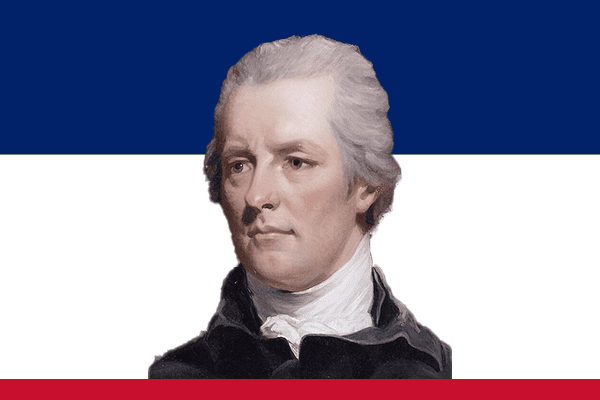
Mr. William Ewart Gladstone
In Office: 15 August 1892 – 2 March 1894
23 April 1880 – 21 July 1886
Political Party: Liberal
Home State: Liverpool
Lifespan: 1809–1898
Country: United Kingdom
Image credits available here.
Early Life and Education
William Ewart Gladstone was born on December 29, 1809, in Liverpool. His father, Sir John Gladstone, was a wealthy merchant and plantation owner, which provided the family with significant influence and resources. Gladstone received his education at Eton College and later attended Christ Church, Oxford. During his university years, he developed strong debating skills and a deep interest in politics, religion, and classical studies. These experiences prepared him for a long and impactful political career.
Entry into Politics
Gladstone entered Parliament in 1832 as a Conservative Member of Parliament for Newark. In the early years of his career, he supported traditional Conservative policies. However, his political views gradually evolved. Over time, he embraced liberal ideas and eventually joined the Liberal Party. His shift reflected his growing belief in economic reform, free trade, and expanded political rights.
First Term as Prime Minister
Gladstone became Prime Minister for the first time in 1868. During this period, he introduced several important reforms. His government worked to modernize institutions and promote fairness within society. One of his most notable achievements involved the disestablishment of the Church of Ireland in 1869, which reduced religious inequality in Ireland. His administration also implemented education reforms and improved the civil service system.
Later Terms and Political Reforms
Gladstone served three more terms as Prime Minister: from 1880 to 1885, briefly in 1886, and again from 1892 to 1894. During these years, he focused strongly on Irish self-government. He introduced the famous Irish Home Rule Bills, which aimed to grant Ireland its own parliament while remaining part of the United Kingdom. Although Parliament rejected these proposals, they shaped the future debate on Irish independence.
Gladstone also promoted economic discipline and transparency in government spending. He believed strongly in balanced budgets and lower taxes. His policies helped strengthen Britain’s financial system and encouraged responsible governance.
Political Rivalry
Gladstone’s political career featured a famous rivalry with Benjamin Disraeli. Both leaders dominated British politics during the Victorian era and represented contrasting political philosophies. While Disraeli emphasized imperial strength and conservative values, Gladstone focused on moral reform, liberal policies, and parliamentary accountability.
Legacy and Historical Importance
William Ewart Gladstone retired from politics in 1894 and passed away on May 19, 1898. Historians widely regard him as one of Britain’s greatest Prime Ministers. His reforms expanded democratic participation, improved government institutions, and strengthened the role of Parliament.
Gladstone’s dedication to ethical leadership and reform continues to influence modern democratic politics. His long public service, intellectual ability, and commitment to liberal principles secured his place as a central figure in British political history.