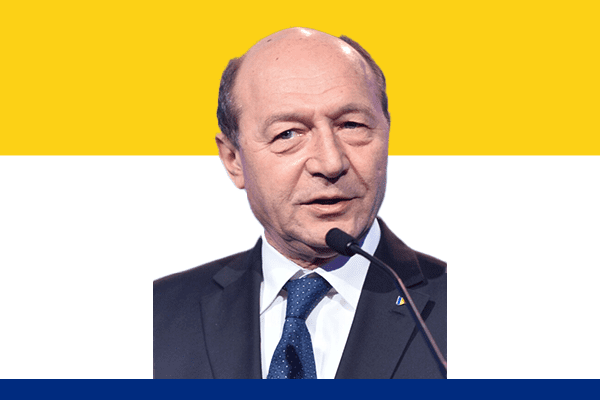
Early Life and Political Beginnings
Traian Băsescu was born on November 4, 1951, in Basarabi, a town in southeastern Romania. He pursued his education at the Naval Institute in Constanța, where he trained as a merchant marine officer. After graduating, he worked for several years in the maritime industry and gained practical experience as a ship captain. His maritime background shaped his disciplined leadership style and pragmatic approach to management.
In the early 1990s, after the fall of communism in Romania, Băsescu entered politics. He quickly became active in public administration and national politics. He served several terms as Minister of Transport, where he implemented policies aimed at modernizing infrastructure and improving transportation systems. His energetic leadership and outspoken personality helped him gain public recognition.
Rise to National Leadership
Băsescu’s political career advanced when he joined the Democratic Liberal Party, one of the major political parties in Romania during the early 2000s. As a party leader, he promoted economic reforms, transparency in government, and stronger cooperation with Western institutions.
Before becoming president, he served as the mayor of Bucharest from 2000 to 2004. During his time as mayor, he focused on urban development, improved public services, and administrative reforms. Many citizens appreciated his hands-on style of leadership and his willingness to confront bureaucratic inefficiencies.
In 2004, Băsescu ran for the presidency of Romania and won the election after a highly competitive campaign. His victory marked a turning point in Romanian politics, as he promised to fight corruption and strengthen democratic institutions.
Presidency and Political Reforms
During his presidency, Traian Băsescu emphasized political reform, economic development, and stronger integration with European structures. He strongly supported Romania’s membership in the European Union and NATO, believing that international cooperation would strengthen the country’s political stability and economic growth.
Băsescu also promoted anti-corruption initiatives and supported institutions designed to investigate political and administrative misconduct. His administration encouraged judicial independence and sought to increase transparency in government activities. These policies attracted both praise and criticism. Supporters admired his determination to challenge corruption, while critics argued that his confrontational style sometimes intensified political conflicts.
Throughout his two presidential terms, Băsescu faced several political challenges, including parliamentary disputes and impeachment attempts. Despite these difficulties, he maintained a strong presence in Romanian politics and continued to influence national debates on governance and economic policy.
Legacy and Political Impact
Traian Băsescu’s legacy remains an important subject of discussion in Romania. His supporters credit him with strengthening democratic institutions, encouraging anti-corruption reforms, and promoting Romania’s role in European and international organizations. They also highlight his decisive leadership during periods of political uncertainty.
At the same time, critics argue that his confrontational political approach contributed to polarization within Romanian politics. Nonetheless, most observers agree that his leadership significantly shaped the country’s political landscape in the early twenty-first century.
Conclusion
Traian Băsescu stands as one of the most influential political figures in modern Romanian history. Through his leadership in government, his presidency, and his commitment to political reform, he played a major role in guiding Romania through a period of democratic consolidation and international integration. His career reflects both the opportunities and the challenges faced by political leaders in post-communist Europe.