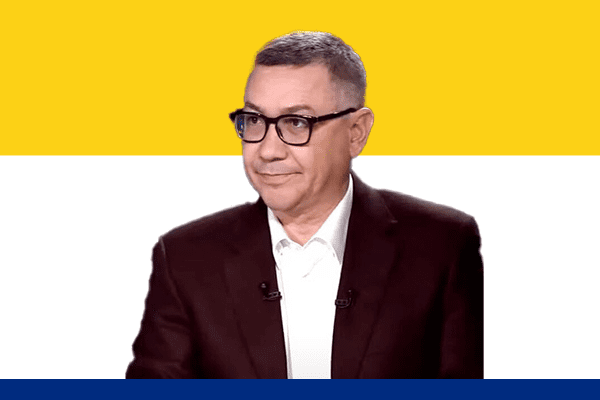
Early Life and Education
Victor Ponta was born on September 20, 1972, in Bucharest. He pursued legal studies and later built a professional career as a prosecutor. Ponta graduated from the Faculty of Law at the University of Bucharest. His academic background in law shaped his early career and helped him develop a reputation in legal and political circles.
Before entering high-level politics, Ponta worked as a prosecutor specializing in anti-corruption and financial crime cases. This experience gave him a deeper understanding of Romania’s legal and administrative systems. It also helped him build credibility within the political environment of the country.
Political Career
Victor Ponta began his political career in the Social Democratic Party (Romania), one of the largest political parties in the country. His leadership abilities quickly became visible, and he rose through the ranks of the party. In 2010, he became the president of the Social Democratic Party, positioning himself as a key figure in Romanian politics.
Ponta also served as a member of the Romanian Parliament, where he focused on legislative reforms and policies related to economic development and social welfare. His political approach emphasized cooperation within coalition governments and the modernization of Romania’s institutions.
Prime Minister of Romania (2012–2015)
Victor Ponta became Prime Minister of Romania in May 2012 after the government led by Mihai Răzvan Ungureanu collapsed. Ponta formed a coalition government and worked to stabilize the country’s political and economic situation.
During his tenure, the government implemented policies aimed at improving economic growth, increasing wages in the public sector, and strengthening social welfare programs. Ponta’s administration also focused on maintaining Romania’s commitments to international organizations such as the European Union and NATO.
His government promoted infrastructure development, encouraged foreign investment, and worked to reduce unemployment. These initiatives helped Romania maintain steady economic progress during his time in office.
However, his tenure also included political tensions and public debates. Disagreements occurred between the government and other political institutions, particularly during the presidency of Traian Băsescu. These conflicts sometimes created instability in Romania’s political environment.
Resignation and Later Activities
In November 2015, Victor Ponta resigned as Prime Minister following widespread public protests triggered by the Colectiv nightclub fire in Bucharest. Although he was not directly responsible for the incident, the tragedy led to public criticism of government policies and regulatory systems.
After leaving office, Ponta continued to remain active in Romanian politics. He served as a member of parliament and later became involved in forming new political movements aimed at reforming Romania’s political system. His influence remained significant within the country’s political debate.
Legacy and Political Impact
Victor Ponta’s time as prime minister left a lasting mark on Romanian politics. Supporters credit him with promoting economic growth and strengthening Romania’s international partnerships. Critics, however, point to political controversies and institutional conflicts that occurred during his leadership.
Despite these debates, Ponta remains an important figure in Romania’s contemporary political history. His career reflects the challenges faced by post-communist democracies as they continue to build stable political institutions and economic systems.