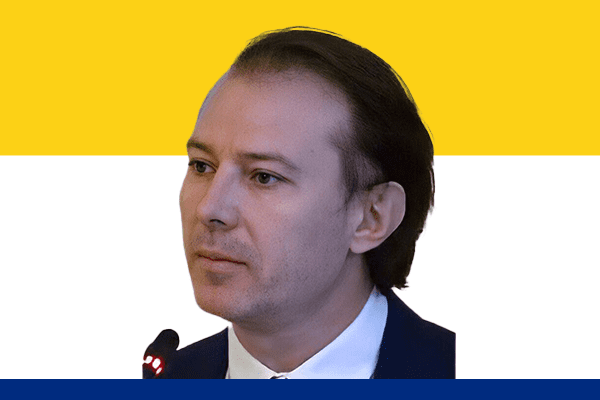
Entry into Politics
Florin Cîțu entered national politics through the National Liberal Party. The party supported market-oriented reforms and pro-European policies, which aligned with Cîțu’s economic views. In 2016, he became a member of the Senate of Romania. As a senator, he focused on economic policy, budget debates, and fiscal transparency.
His performance in parliament and his economic knowledge helped him gain recognition within the party. In 2019, the government appointed him as Minister of Finance under Prime Minister Ludovic Orban. During this period, he worked on national budgets, economic stabilization measures, and policies aimed at supporting businesses and workers.
Prime Minister of Romania
In December 2020, Florin Cîțu became Prime Minister of Romania after parliamentary elections. He led a coalition government composed mainly of center-right parties. As prime minister, he emphasized economic recovery, fiscal discipline, and modernization of state institutions.
Cîțu’s government focused heavily on responding to the challenges created by the COVID-19 pandemic. His administration introduced measures to support healthcare systems, accelerate vaccination campaigns, and provide financial assistance to businesses affected by restrictions. At the same time, he promoted long-term economic reforms designed to strengthen Romania’s infrastructure, digital economy, and investment climate.
However, political tensions within the ruling coalition created instability in the government. Disagreements among coalition partners eventually weakened his political support in parliament.
End of Tenure
In October 2021, the Romanian parliament passed a motion of no confidence against Florin Cîțu’s government. The political crisis led to the collapse of his administration after less than a year in office. Despite this outcome, Cîțu remained an important political figure within the National Liberal Party and continued to participate in Romanian political debates.
Legacy and Political Influence
Although Florin Cîțu served as prime minister for a relatively short period, his leadership occurred during a difficult time marked by a global health crisis and economic uncertainty. His policies aimed to stabilize the economy, encourage investment, and maintain fiscal responsibility.
Supporters credit him with promoting economic reforms and maintaining Romania’s pro-European orientation. Critics, however, argue that political conflicts within his coalition weakened his ability to implement long-term reforms. Nevertheless, Cîțu’s career demonstrates how economic expertise can shape political leadership in modern democratic systems.