Mr. Schelto van Heemstra
In Office: 10 November 1861 – 1 February 1862
Political Party: Independent Liberal
Home State: Groningen
Lifespan: 1807–1864
Country: Netherland
Image credits available here.
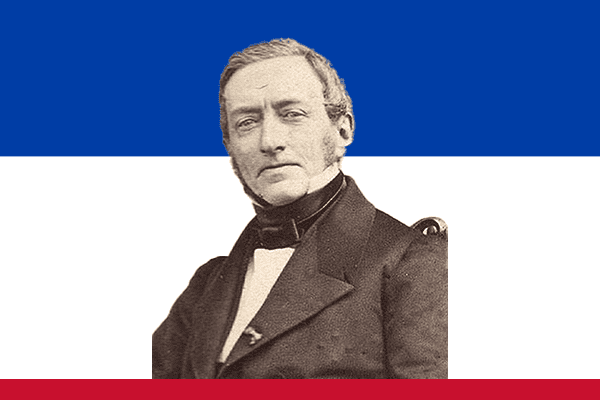
Early Life and Background
Schelto van Heemstra was born into a noble and influential Dutch family. His background gave him access to education and public life from an early age. He developed an interest in law, governance, and administration, which prepared him for a career in politics. Like many leaders of his era, he built his reputation through public service rather than dramatic speeches. He became known for his careful judgment and practical approach to political matters.
His family’s social standing opened doors, but his personal ability helped him rise in national politics. He understood the needs of the state and worked steadily to maintain stability in government. This quality became especially important during a century marked by political change across Europe.
Political Career
Schelto van Heemstra built a strong career in Dutch public administration before reaching the highest office. He served in several important government roles and gained the trust of fellow politicians. His experience in legal and administrative matters made him well suited for leadership. Over time, he became one of the respected figures in the Dutch political system.
When he became Prime Minister, he took charge during a period when the Netherlands needed careful leadership. The government faced challenges related to modernization, constitutional balance, and the relationship between the monarchy and parliament. Van Heemstra focused on responsible governance and orderly administration. He believed that strong institutions, rather than personal ambition, should guide the nation.
Leadership as Prime Minister
As Prime Minister, Schelto van Heemstra emphasized stability, moderation, and constitutional responsibility. He did not rule with dramatic style, but he led with discipline and seriousness. He worked within the evolving parliamentary system and helped strengthen the role of government institutions.
His leadership reflected the values of his time: loyalty to the crown, respect for law, and commitment to public order. At the same time, he recognized that the country had to adapt to new political realities. He supported practical reforms and encouraged cooperation among political figures. His administration showed that effective leadership does not always depend on charisma; it often depends on patience, balance, and good judgment.
Legacy and Historical Importance
Schelto van Heemstra left behind a legacy of responsible statesmanship. He represented a generation of leaders who helped shape the Netherlands into a more modern constitutional state. His service as Prime Minister demonstrated the importance of moderation during periods of political adjustment. While he may not be the most famous Dutch leader, his contribution remains meaningful in the broader story of Dutch democracy.
Historians value his work because he helped preserve continuity in government while reforms gradually changed the political system. His career reminds us that many important leaders work quietly, yet their influence lasts for decades. In Dutch history, Schelto van Heemstra stands as a symbol of duty, balance, and public service.
Conclusion
Schelto van Heemstra played a valuable role in the political development of the Netherlands. As Prime Minister, he offered careful and stable leadership during a time of change. His experience, discipline, and commitment to constitutional government made him a respected figure in Dutch history. Even today, his career provides an example of thoughtful and responsible political leadership.