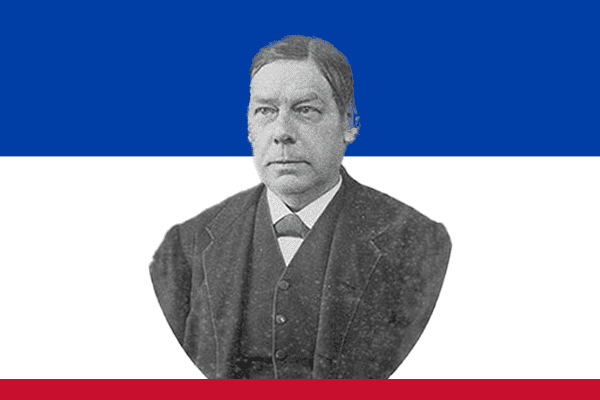
Mr. Jan Kappeyne van de Coppello
In Office: 3 November 1877 – 20 August 1879
Political Party: Independent Liberal
Home State: Amsterdam
Lifespan: 1822–1895
Country: Netherland
Image credits available here.
Early Life and Background
Jan Kappeyne van de Coppello was born on November 12, 1822, in The Hague, Netherlands. He came from a respected Dutch family and received a strong education in law. After completing his studies, he built a successful legal career. His intelligence, discipline, and interest in public affairs soon drew him toward politics. He developed liberal political beliefs at a time when many Europeans demanded constitutional reforms, civil liberties, and broader access to education.
Political Career
Kappeyne entered national politics as a member of the Dutch parliament. He quickly earned respect for his sharp debating skills and deep knowledge of legal and constitutional matters. As a liberal politician, he strongly supported parliamentary democracy and government reform. He believed that the state should promote progress through education and fair administration.
His influence grew steadily within the liberal movement. Over time, he became one of the leading voices of Dutch liberalism. His speeches and policy positions showed confidence, clarity, and commitment to modern governance.
Prime Minister of the Netherlands
Jan Kappeyne van de Coppello served as Prime Minister of the Netherlands from 1877 to 1879. During his term, he led a liberal government that focused on reform, especially in the field of education. He also served as Minister of the Interior, which gave him direct responsibility for important domestic policies.
One of his most significant achievements was the Education Act of 1878. Through this law, he aimed to improve the quality of primary education by raising standards for school buildings, teachers, and learning conditions. He believed that a stronger education system would create a more informed and capable society.
However, the law caused major controversy. Religious groups, especially supporters of private Christian schools, opposed the reform because it increased financial pressure on non-state schools. This conflict became known as one of the major “school struggles” in Dutch history. The political backlash weakened his government.
Leadership and Legacy
Kappeyne’s leadership showed courage and conviction. He did not avoid difficult reforms, even when they created political resistance. He placed national progress above short-term popularity. His government eventually fell in 1879 because of strong opposition, but his reform efforts shaped future debates about education and state responsibility in the Netherlands.
He continued to remain respected as a serious and principled liberal leader. His career demonstrated how strong beliefs can influence national policy, even during a short administration. He died on July 29, 1895.
Conclusion
Jan Kappeyne van de Coppello holds an important place in Dutch political history. As Prime Minister, he championed liberal reforms, defended parliamentary government, and pushed for better public education. Although his government faced strong resistance, his policies reflected vision and determination. His name remains associated with progress, reform, and the long struggle to modernize Dutch society.