Mr. Theo de Meester
In Office: 17 August 1905 – 12 February 1908
Political Party: Liberal Union
Home State: Harderwijk
Lifespan: 1851–1919
Country: Netherland
Image credits available here.
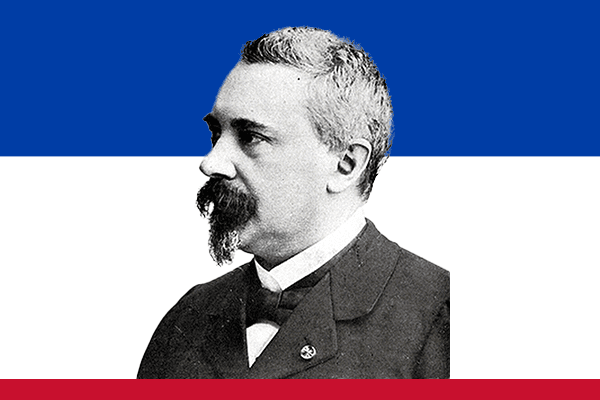
Early Life and Political Career
Theo de Meester was born on 16 December 1912 in Nederbrakel, Belgium. He studied law and built a strong foundation in public service. He entered politics through the Liberal Party, where he gradually gained influence. He served in various ministerial roles before becoming Prime Minister, including Minister of Finance. In that role, he demonstrated his ability to handle economic policy and fiscal management effectively.
He built his reputation as a disciplined and thoughtful leader who understood Belgium’s economic needs. His experience prepared him to lead the country during a challenging period in the 1970s.
Leadership as Prime Minister
Theo de Meester became Prime Minister in 1974, leading a coalition government. He actively addressed the economic difficulties caused by the global oil crisis. Instead of relying on passive measures, he introduced policies to stabilize the economy and control inflation. He encouraged fiscal discipline and promoted responsible government spending.
He worked to maintain political stability in a country divided by linguistic and regional differences. He actively engaged with different political groups and sought compromise solutions. His leadership emphasized cooperation rather than confrontation.
Economic Policies and Reforms
During his tenure, Theo de Meester focused strongly on economic recovery. He implemented measures to reduce budget deficits and improve financial management. He supported industries affected by the economic downturn and encouraged investment to stimulate growth.
He also played a role in shaping Belgium’s transition toward a more federal system. He supported reforms that aimed to address tensions between Dutch-speaking Flanders and French-speaking Wallonia. His government took steps toward decentralization, which later became a defining feature of Belgian politics.
Challenges and Political Context
Theo de Meester faced significant challenges during his time in office. The global economic crisis placed pressure on Belgium’s economy. At the same time, internal political divisions created difficulties in maintaining coalition unity.
Despite these challenges, he continued to lead with determination. He actively worked to keep the government functioning and avoided major political breakdowns. However, ongoing disagreements within the coalition eventually led to the end of his government in 1977.
Legacy and Contribution
Theo de Meester left a lasting impact on Belgian politics. He demonstrated strong leadership during a time of uncertainty and economic difficulty. He promoted fiscal responsibility and encouraged dialogue among political groups.
His efforts contributed to the gradual evolution of Belgium into a federal state. He showed that leadership requires adaptability, especially in a country with diverse communities and interests.
Conclusion
Theo de Meester played an important role in Belgium’s political history. He led the country through economic challenges and worked toward political stability. His active leadership, practical policies, and commitment to cooperation defined his tenure as Prime Minister. Today, historians remember him as a steady and responsible leader who helped guide Belgium during a critical period of change.