Mr. Theo Heemskerk
In Office: 12 February 1908 – 29 August 1913
Political Party: Anti-Revolutionary Party
Home State: Amsterdam
Lifespan: 1852–1932
Country: Netherland
Image credits available here.
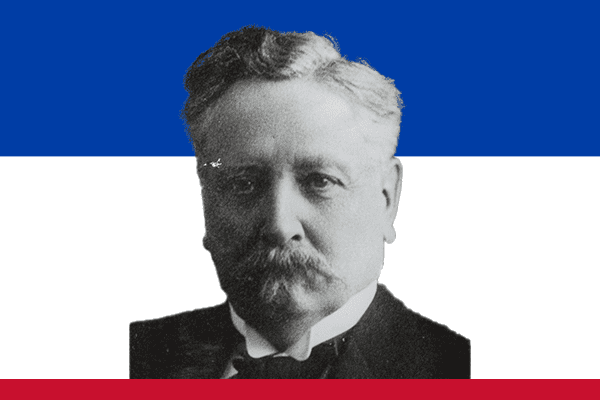
Early Life and Political Career
Theo Heemskerk was born in 1852 in Amsterdam. He grew up in a politically aware family, which influenced his interest in public service. He studied law and later became a lawyer before entering politics. He joined the Anti-Revolutionary Party, founded by Abraham Kuyper, which promoted Christian values in governance.
Heemskerk began his political career as a member of the Dutch parliament. He quickly gained recognition for his strong debating skills and clear political vision. He focused on legal reforms and administrative efficiency. His dedication and leadership qualities helped him rise within the party.
Prime Ministership (1908–1913)
Theo Heemskerk became Prime Minister of the Netherlands in 1908. He led a coalition government and worked to maintain political stability during a period of ideological differences among parties.
During his tenure, several important reforms were introduced. His government worked on improving education policies and strengthening the legal system. Religious schools were supported, which reflected his party’s values. Economic stability was also prioritized, and efforts were made to improve public administration.
Many policies were carefully planned by his administration, but Heemskerk ensured that his government actively implemented them. Instead of decisions being delayed, his leadership pushed reforms forward efficiently. His ability to balance different political interests made his government relatively stable.
Leadership Style and Contributions
Heemskerk led with discipline and strong moral principles. He believed in active governance rather than passive administration. Policies were not only proposed but also executed under his leadership. He encouraged cooperation among political groups and ensured that governance remained effective.
His contributions included strengthening democratic institutions and promoting social harmony. He played a crucial role in maintaining unity in a diverse political landscape. His government addressed social issues and worked to create fair opportunities for citizens.
Later Life and Legacy
After completing his term in 1913, Heemskerk remained active in public life. He continued to influence political discussions and contribute to national policies. His experience and wisdom were respected by many political leaders.
Theo Heemskerk passed away in 1932, leaving behind a legacy of strong leadership and responsible governance. His tenure as Prime Minister is remembered for stability, effective administration, and commitment to public service.
Conclusion
Theo Heemskerk was a significant leader in Dutch political history. He actively shaped policies and ensured their implementation during his time as Prime Minister. His leadership reflected dedication, discipline, and a commitment to national progress. His contributions continue to be remembered as an important part of the Netherlands’ political development.