Mr. Pieter Cort van der Linden
In Office: 29 August 1913 – 9 September 1918
Political Party: Independent Liberal
Home State: The Hague
Lifespan: 1846–1935
Country: Netherland
Image credits available here.
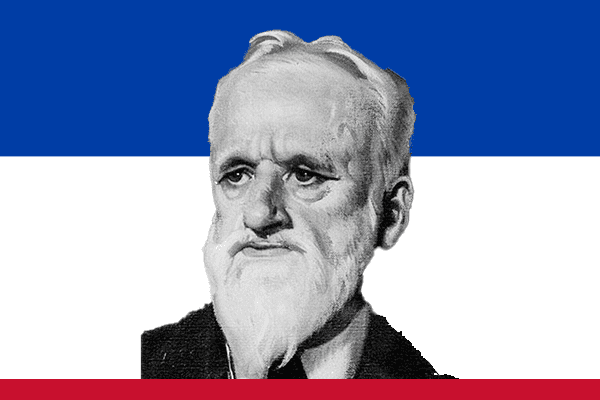
Early Life and Background
Pieter Cort van der Linden was born on May 14, 1846, in The Hague, Netherlands. He studied law and later became a professor, which helped him develop a deep understanding of governance and legal systems. Before entering high political office, he served in various academic and governmental roles, gaining experience that shaped his administrative skills.
Political Career
Cort van der Linden became Prime Minister in 1913, leading a liberal minority government. His tenure is especially notable because he governed without a formal coalition majority, which required negotiation and cooperation with other political groups.
During his leadership, the Netherlands faced the immense challenge of staying neutral in World War I. He ensured that the country avoided direct involvement in the conflict while protecting national interests. His government focused on maintaining economic stability and managing refugee crises.
Major Achievements
One of the most significant achievements of Cort van der Linden’s government was the introduction of major constitutional reforms in 1917. These reforms included:
Expansion of suffrage (granting more citizens the right to vote)
Introduction of proportional representation
Equal funding for religious and public schools
These changes strengthened democracy in the Netherlands and laid the foundation for modern Dutch politics.
Leadership Style
Cort van der Linden was known for his calm, diplomatic, and pragmatic leadership. He avoided extreme positions and focused on consensus-building. His ability to work with different political groups helped him govern effectively despite lacking a majority.
He also prioritized national unity during times of crisis. His leadership ensured that the Netherlands remained stable while many European nations faced destruction.
Legacy
Pieter Cort van der Linden’s legacy is defined by his role in preserving Dutch neutrality during World War I and advancing democratic reforms. His work contributed to shaping a more inclusive political system in the Netherlands.
He retired from politics after 1918 and passed away in 1935. Today, he is remembered as one of the most important Dutch leaders of the early 20th century.
Conclusion
Pieter Cort van der Linden stands out as a leader who guided his country through a difficult period with wisdom and restraint. His contributions to democracy and his success in maintaining neutrality during a global conflict highlight his significance in history. His leadership remains an example of effective governance during times of uncertainty.