Mr. Hendrikus Colijn
In Office: 26 May 1933 – 10 August 1939
4 August 1925 – 8 March 1926
Political Party: Anti-Revolutionary Party
Home State: Burgerveen
Lifespan: 1869–1944
Country: Netherland
Image credits available here.
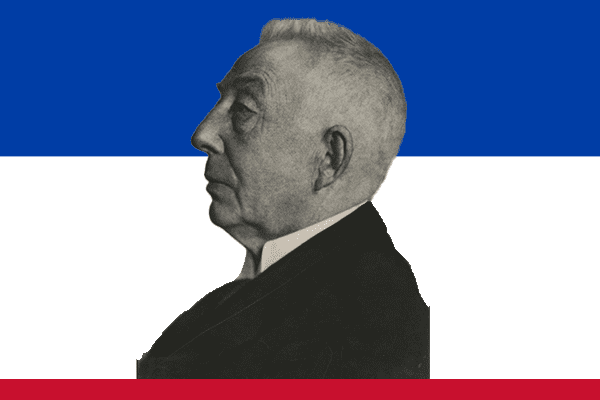
Early Life and Career
Hendrikus Colijn was born on June 22, 1869, in Burgerveen, Netherlands. He pursued a military career and served in the Dutch East Indies (modern-day Indonesia). During his service, he gained valuable administrative and leadership experience. After leaving the military, he entered the business world and worked with Royal Dutch Shell, which strengthened his economic understanding and management skills.
Colijn later transitioned into politics and joined the Anti-Revolutionary Party. He quickly rose through the ranks due to his strong personality and clear vision. His early political work focused on finance and defense, areas where he demonstrated exceptional competence.
Political Leadership and Achievements
Colijn became Prime Minister for the first time in 1925. He later served several more terms, making him one of the most influential leaders in Dutch history. During his leadership, he actively worked to stabilize the economy and maintain public order.
When the Great Depression hit the Netherlands in the 1930s, Colijn implemented strict financial policies. He reduced government spending and maintained the gold standard to protect the national currency. Although these measures showed discipline, they also caused economic hardship for many citizens. Despite criticism, Colijn believed that financial stability would ensure long-term recovery.
He also focused on strengthening national defense and maintaining colonial control over the Dutch East Indies. His firm stance on law and order helped preserve political stability during uncertain times.
Leadership Style
Colijn demonstrated a strong and authoritative leadership style. He made decisions confidently and expected discipline from both his government and the public. People often described him as calm and composed, especially during crises.
He communicated directly with citizens through radio broadcasts, which helped him connect with the public. His famous speech during a time of panic reassured people and encouraged them to remain calm. This ability to lead with confidence made him a respected figure, even among critics.
Challenges and Criticism
Despite his achievements, Colijn faced significant criticism. Many people argued that his economic policies worsened the effects of the Great Depression. His strict adherence to financial discipline limited government support for struggling citizens.
Critics also questioned his colonial policies and his reluctance to adapt to changing global conditions. As tensions increased in Europe before World War II, some believed that his leadership lacked flexibility.
Legacy
Hendrikus Colijn left a lasting impact on Dutch politics. His leadership helped maintain stability during one of the most challenging periods in modern history. While people continue to debate his economic decisions, they recognize his dedication to national order and governance.
He remains an important figure in the history of the Netherlands, remembered for his resilience, discipline, and commitment to leadership during times of crisis.