Mr. Pieter Sjoerds Gerbrandy
In Office: 3 September 1940 – 25 June 1945
Political Party: Anti-Revolutionary Party
Home State: Burgerveen
Lifespan: 1885–1961
Country: Netherland
Image credits available here.
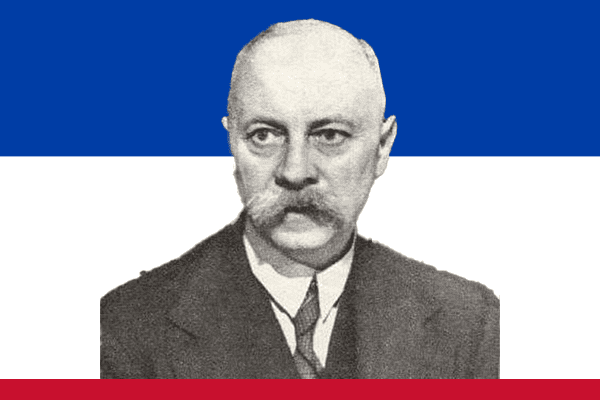
Early Life and Background
Pieter Sjoerds Gerbrandy was born on April 13, 1885, in the Netherlands. He pursued higher education in law and became a respected lawyer and academic. His deep understanding of legal and political systems shaped his later contributions to governance. Before becoming Prime Minister, he actively participated in politics and was known for his firm stance on justice and national integrity.
Rise to Power
Gerbrandy entered national politics as a member of the Anti-Revolutionary Party. His leadership abilities and commitment to democratic principles were quickly recognized. In 1940, when Nazi Germany invaded the Netherlands, the Dutch government was forced to flee to London. During this crisis, Gerbrandy was appointed Prime Minister. His appointment marked the beginning of a crucial phase in Dutch political history.
Leadership During World War II
Gerbrandy led the Dutch government-in-exile from London during World War II. He actively worked to maintain communication with occupied Netherlands and supported resistance efforts. Unlike passive leadership, Gerbrandy took decisive actions to ensure that the Dutch voice was heard internationally. He strengthened ties with Allied nations, including the United Kingdom, and played a vital role in coordinating war efforts.
He encouraged the Dutch people to resist German occupation through radio broadcasts. These broadcasts inspired hope and unity among citizens living under harsh conditions. Gerbrandy firmly believed that the Netherlands would regain its freedom, and he consistently expressed this belief in his speeches.
Challenges and Achievements
Leading a government in exile was not easy. Gerbrandy faced internal disagreements and external pressures from Allied leaders. However, he remained steadfast and focused on his mission. He successfully preserved the authority of the Dutch government during the occupation.
One of his key achievements was ensuring that the Netherlands remained recognized as a sovereign state despite being occupied. He also contributed to post-war planning, laying the groundwork for rebuilding the country after liberation. His leadership style was proactive, and he often took initiative rather than waiting for circumstances to dictate actions.
Post-War Contributions
After the war ended in 1945, Gerbrandy continued to serve his country. He played an important role in rebuilding the Netherlands and restoring democratic institutions. His experience during the war made him a respected figure in Dutch politics.
Although his time as Prime Minister ended, his influence remained strong. He was admired for his resilience and dedication to national service. His legacy continued to inspire future generations of leaders.
Legacy
Pieter Sjoerds Gerbrandy is remembered as a symbol of resistance and leadership. His actions during World War II demonstrated the importance of strong and active governance in times of crisis. He did not remain passive in the face of adversity; instead, he took bold steps to protect his nation.
His legacy lives on in Dutch history as a leader who stood firm during one of the most challenging periods in the country’s past. He showed that effective leadership requires courage, determination, and a willingness to act decisively.
Conclusion
In conclusion, Pieter Sjoerds Gerbrandy played a vital role in safeguarding the Netherlands during World War II. His leadership in exile ensured that the Dutch government remained active and influential. By transforming challenges into opportunities, he proved that active leadership can overcome even the most difficult circumstances.