Mr. Jo Cals
In Office: 14 April 1965 – 22 November 1966
Political Party: Catholic People’s Party
Home State: Amsterdam
Lifespan: 1914–1971
Country: Netherland
Image credits available here.
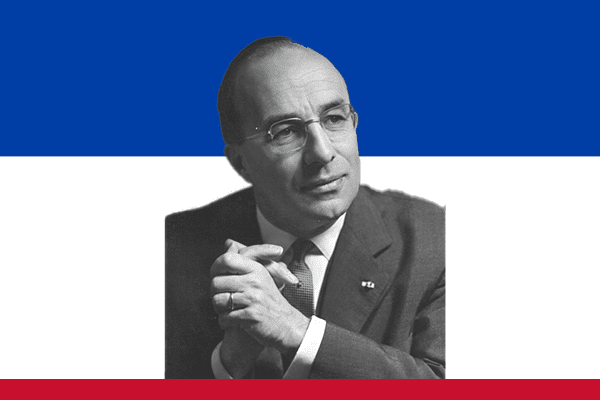
Early Life and Education
Jo Cals was born on July 18, 1914, in Roermond, Netherlands. He pursued his education in law and political science, gaining a strong academic foundation that later supported his political career. His interest in public service developed early, and he actively engaged in political discussions during his student years. He began his professional life as a lawyer, which further sharpened his analytical and decision-making skills.
Political Career
Jo Cals entered politics as a member of the Catholic People’s Party (KVP). He served in various governmental roles before becoming Prime Minister. He worked as the Minister of Education, Arts, and Sciences, where he contributed to reforms in the Dutch education system. He improved access to education and emphasized modernization.
In 1965, Jo Cals was appointed as the Prime Minister of the Netherlands. His government focused on economic stability, social welfare, and administrative reforms. Various policies were introduced to strengthen the country’s financial structure. Political challenges were faced during his tenure, especially regarding budget proposals and economic planning.
Prime Ministership
During his time as Prime Minister, Jo Cals led a coalition government. His leadership style was characterized by dialogue and negotiation. However, his government faced criticism from opposition parties and even from within the coalition. Economic policies were debated intensely in parliament.
A significant moment in his tenure occurred during the “Night of Schmelzer” in 1966. A motion criticizing the government’s financial policies was passed. As a result, his cabinet lost support and was forced to resign. This event marked the end of his time as Prime Minister.
Later Life and Legacy
After resigning, Jo Cals continued to contribute to public life but gradually stepped away from active politics. He passed away on December 30, 1971. His legacy remains important in Dutch political history. He is remembered as a thoughtful leader who tried to balance economic discipline with social progress.
Conclusion
Jo Cals’s political career reflects the complexities of coalition politics and governance. His efforts in education reform and economic policy left a lasting impact. Despite the challenges he faced, he is regarded as a dedicated public servant who worked for the betterment of society.