Mr. Jelle Zijlstra
In Office: 22 November 1966 – 5 April 1967
Political Party: Anti-Revolutionary Party
Home State: Oosterbierum
Lifespan: 1918–2001
Country: Netherland
Image credits available here.
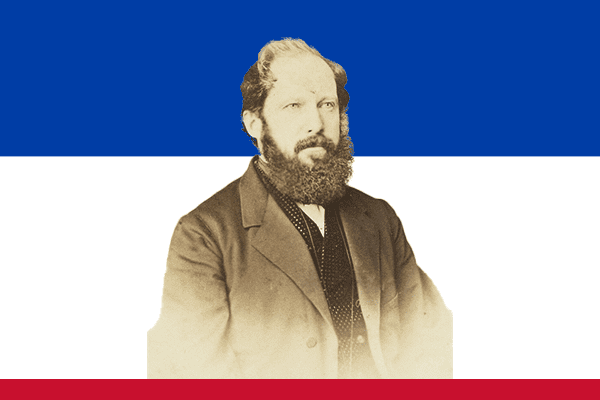
Early Life and Education
Jelle Zijlstra was born on August 27, 1918, in Oosterbierum, Netherlands. He pursued higher education in economics and developed a strong interest in financial policy. He studied at Rotterdam School of Economics, where he later became a professor. His academic career helped him gain recognition as an expert in economic matters.
Political Career
Zijlstra entered politics as a member of the Anti-Revolutionary Party. He served in several important roles, including Minister of Economic Affairs and Minister of Finance. He actively shaped economic policies and contributed to the financial stability of the Netherlands during the post-war period.
When political tensions led to the fall of the government in 1966, leaders appointed Zijlstra as a caretaker Prime Minister. He handled the transition period effectively and ensured that governance continued smoothly until elections were held.
Tenure as Prime Minister
Jelle Zijlstra served as Prime Minister from November 1966 to April 1967. During this short tenure, he focused on maintaining stability rather than introducing major reforms. He guided the country through a politically uncertain time and ensured that administrative functions were carried out efficiently.
He managed the government responsibly and maintained public confidence. His leadership style was practical and steady, which helped prevent further political disruption.
Later Career
After serving as Prime Minister, Zijlstra continued contributing to the Dutch economy. He became the President of De Nederlandsche Bank, where he played a crucial role in monetary policy and financial regulation. His leadership strengthened the country’s economic framework and increased its global financial reputation.
Legacy
Jelle Zijlstra is remembered as a reliable and competent leader. His ability to manage crises and maintain stability made him a respected figure in Dutch politics. Although his time as Prime Minister was brief, his contributions to economic policy and governance had a lasting impact.
Conclusion
Jelle Zijlstra’s career reflected dedication to public service and economic expertise. He successfully guided the Netherlands during a critical period and continued to influence financial policy in later years. His legacy remains significant in both political and economic spheres.