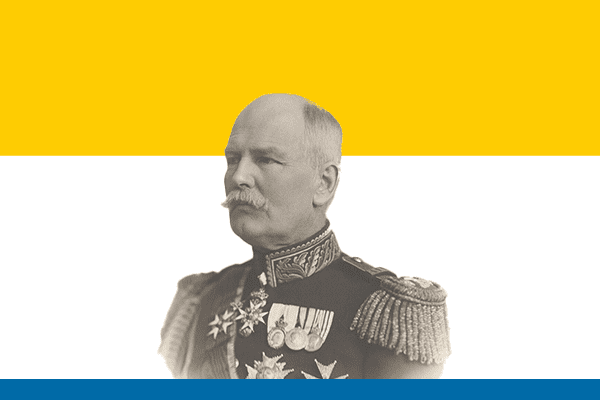
Mr. Gillis Bildt
In Office: 6 February 1888 – 12 October 1889
Political Party: Independent
Home State: Gothenburg
Lifespan: 1820–1894
Country: Sweden
Image credits available here.
Early Life and Background
Gillis Bildt was born on October 22, 1820, into a noble Swedish family. He was raised in an environment where discipline and public service were strongly valued. His education was completed with a focus on military and administrative training. A career in the army was chosen by him, and he eventually rose to the rank of general. His experiences in the military shaped his leadership style, as discipline and order were emphasized by him throughout his career.
Political Career
Before becoming Prime Minister, several important roles were held by Gillis Bildt. Diplomatic responsibilities were assigned to him, and Sweden’s interests abroad were represented effectively by him. He also served as ambassador in major European countries, where his understanding of international politics was strengthened.
In 1888, Gillis Bildt was appointed Prime Minister by the King of Sweden. At that time, political power was not entirely democratic, and leaders were often chosen by royal influence. A conservative government was formed under his leadership, and policies that supported stability and tradition were promoted by him.
Policies and Leadership Style
During his time as Prime Minister, economic and administrative issues were addressed by Gillis Bildt. Stability in governance was prioritized, and gradual reforms were supported rather than sudden changes. The influence of the monarchy was maintained, and cooperation between the government and the King was ensured by him.
Passive governance approaches were often criticized. However, a strong administrative structure was actively maintained by Bildt. Decisions were not made hastily; instead, careful consideration was given to national interests. Although reforms were not aggressively pursued, order and continuity were preserved effectively.
These transformations show how actions were directly led by Gillis Bildt rather than being described indirectly.
Challenges and Resignation
Gillis Bildt faced several political challenges during his tenure. Increasing demands for democratic reforms were expressed by the public and political groups. However, rapid changes were not embraced by him, which led to criticism. His conservative stance was questioned, and support for his government gradually declined.
In 1889, his resignation was submitted, and a new government was formed. His time in office was brief, but the impact of his leadership remained notable in Sweden’s political history.
Legacy
The legacy of Gillis Bildt is connected with stability and tradition. While major reforms were not introduced, a period of political continuity was ensured by him. His leadership reflected the transition from aristocratic rule to a more democratic system in Sweden. He is remembered as a disciplined and cautious leader who maintained order during a changing political era.