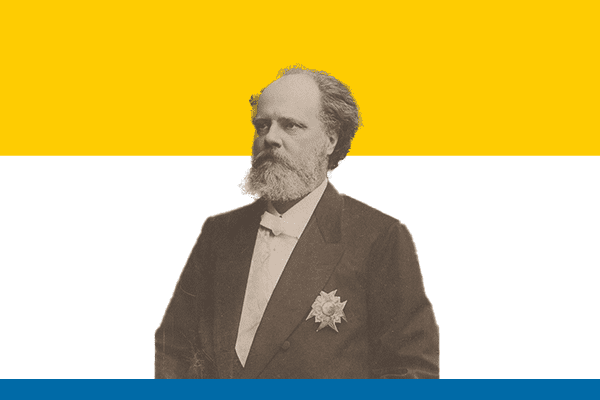
Early Life and Background
Gustaf Åkerhielm was born on December 9, 1833, into a noble Swedish family. He received a strong education, which prepared him for a career in public service. Law and governance were studied by him at a young age, and he developed a deep understanding of administrative systems. Over time, his abilities were recognized, and he was gradually introduced into political circles.
Later, he became a member of the Swedish Parliament, where his conservative views were clearly expressed. Policies supporting the monarchy and traditional institutions were advocated by him. His dedication and discipline earned him respect among his peers, and he became a trusted leader within conservative groups.
Political Career
Åkerhielm’s rise to power was marked by steady progress. Important governmental roles were assigned to him, and his influence increased within Sweden’s political system. In 1889, he was appointed Prime Minister, and leadership responsibilities were officially given to him.
During his tenure, military defense and national security were strongly emphasized. The need for a stronger army was highlighted by him, as he believed Sweden should be prepared for potential conflicts. At the same time, democratic reforms were approached with caution, and rapid changes were resisted by him.
However, his statements regarding military issues created controversy. It was suggested by him that Sweden might need to act independently of parliamentary approval in certain situations. This idea was criticized by many, as it was seen as a challenge to democratic principles. As a result, public trust was weakened, and opposition grew stronger.
Challenges and Resignation
The political climate during Åkerhielm’s leadership was tense. Criticism from liberal groups was faced by him, and his policies were questioned frequently. His views on military authority were especially controversial, and they led to significant backlash.
Eventually, his position became difficult to maintain. Pressure from political opponents increased, and support within the parliament declined. In 1891, his resignation was announced, and his time as Prime Minister came to an end.
Legacy and Impact
Despite the challenges he faced, Gustaf Åkerhielm’s contribution to Swedish politics remains notable. His leadership highlighted the tension between conservative traditions and the growing demand for democratic reforms. Important discussions about military power and parliamentary authority were initiated during his tenure.
Although his policies were not always accepted, his role in Sweden’s political development cannot be ignored. Lessons about governance, authority, and public accountability were learned during his time in office. His career serves as an example of how leadership can be shaped by both tradition and change.
Conclusion
Gustaf Åkerhielm’s time as Prime Minister reflects a crucial period in Swedish history. His conservative approach and emphasis on national defense defined his leadership style. While controversies led to his resignation, his influence on political debates and institutional development remains significant. Through his work, the complexities of balancing authority and democracy were clearly demonstrated.