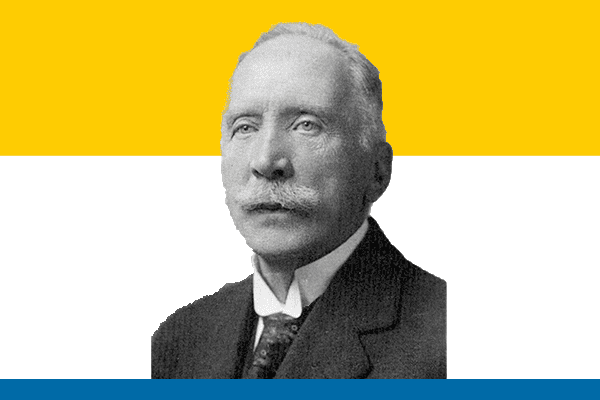
Early Life and Career
Johan Ramstedt was born in 1852 in Sweden. He studied law and developed strong analytical skills that later supported his political career. His legal background prepared him for public service, and he entered government administration with dedication. Over time, he gained experience in various governmental roles, where he demonstrated competence and reliability.
He worked diligently in administrative positions, and his efforts were recognized by senior leaders. His career progressed steadily as he earned a reputation for discipline and integrity. These qualities contributed to his eventual appointment to higher offices.
Political Leadership
Johan Ramstedt served as Prime Minister of Sweden from 1914 to 1917. During this period, Sweden faced political tensions and pressures related to democratic reforms. Important decisions were made under his leadership, and efforts were carried out to maintain stability in the country.
Ramstedt actively managed government affairs and ensured that policies were implemented effectively. He focused on maintaining order and supporting the monarchy while responding to growing public demand for political representation. Political challenges were addressed with caution, and compromises were often sought to avoid conflict.
His leadership was marked by a balanced approach, as he tried to protect traditional structures while acknowledging the need for reform. The administration worked toward gradual change rather than sudden transformation.
Contributions and Challenges
Several reforms were discussed during Ramstedt’s tenure, and steps were taken to modernize governance. Efforts were made to improve administrative efficiency and address public concerns. Political debates were conducted, and decisions were reached through negotiation and consultation.
However, challenges were also faced during his time in office. Public pressure increased for greater democracy, and disagreements arose between different political groups. Ramstedt managed these difficulties by promoting dialogue and maintaining governmental stability.
Although his government eventually stepped down, his role in navigating this complex period remained significant. His leadership helped prevent major disruptions during a sensitive phase in Sweden’s political evolution.
Legacy
Johan Ramstedt’s legacy lies in his commitment to responsible governance. He is remembered as a cautious yet effective leader who valued order and gradual progress. His contributions to Sweden’s political system helped lay the groundwork for future democratic reforms.
Historians often regard him as a transitional figure who played an important role in shaping modern Sweden. His leadership demonstrated how steady administration could guide a nation through change without instability.
Conclusion
In conclusion, Johan Ramstedt served Sweden with dedication and careful judgment. He handled political challenges with patience and worked to maintain stability during a period of transformation. His contributions continue to be recognized in Swedish history as part of the country’s journey toward a more democratic system.