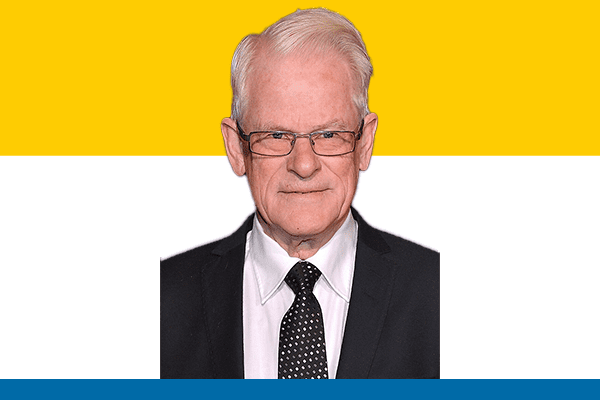
Early Life and Education
Ingvar Carlsson was born on November 9, 1934, in Borås, Sweden. He grew up in a modest working-class family, which influenced his political beliefs and commitment to social equality. He pursued higher education at Lund University, where he studied political science and economics. During his university years, he actively engaged in student politics, laying the foundation for his future career.
Entry into Politics
Carlsson actively began his political journey in the Swedish Social Democratic Party. He worked closely with influential leaders, including Prime Minister Tage Erlander. Instead of remaining a passive observer, he took on key responsibilities within the party and government. His dedication and leadership skills quickly earned him recognition.
He served in various governmental roles, including Minister of Education, where he implemented reforms aimed at improving accessibility and quality in Sweden’s education system. His work strengthened public institutions and reflected his commitment to social democracy.
First Term as Prime Minister
In 1986, Ingvar Carlsson became Prime Minister following the tragic assassination of Olof Palme. During this critical period, he provided stability and continuity to the nation. He actively led Sweden through a time of mourning and uncertainty, ensuring that democratic institutions remained strong.
As Prime Minister, he focused on economic stability, social welfare, and international cooperation. He addressed economic challenges by implementing policies that balanced growth with social responsibility. His leadership helped Sweden navigate a complex global environment.
Second Term and Key Policies
Carlsson returned as Prime Minister in 1994 and served until 1996. During his second term, he prioritized economic recovery and fiscal discipline. Sweden faced a severe financial crisis in the early 1990s, and Carlsson actively introduced measures to stabilize the economy.
He worked to reduce budget deficits, strengthen public finances, and restore confidence in the Swedish economy. His government also continued to support welfare policies, ensuring that social protections remained intact even during economic hardship.
Leadership Style and Contributions
Ingvar Carlsson demonstrated a calm, pragmatic, and inclusive leadership style. He engaged with citizens, political colleagues, and international leaders to build consensus and promote cooperation. Rather than relying on authority alone, he actively listened and responded to the needs of society.
He contributed significantly to Sweden’s reputation as a stable and progressive nation. His efforts in education, economic policy, and social welfare left a lasting impact on the country’s development.
Later Life and Legacy
After stepping down from politics, Carlsson remained active in public life. He participated in international organizations and continued to advocate for democracy and peace. His experience and insights made him a respected figure both in Sweden and globally.
Carlsson’s legacy reflects his dedication to public service and his ability to lead during challenging times. He strengthened Sweden’s democratic institutions and ensured that the country remained committed to equality and social justice.
Conclusion
Ingvar Carlsson stands as an influential figure in Swedish political history. Through active leadership and thoughtful decision-making, he guided Sweden through periods of crisis and transformation. His contributions continue to shape the nation’s political and social landscape.