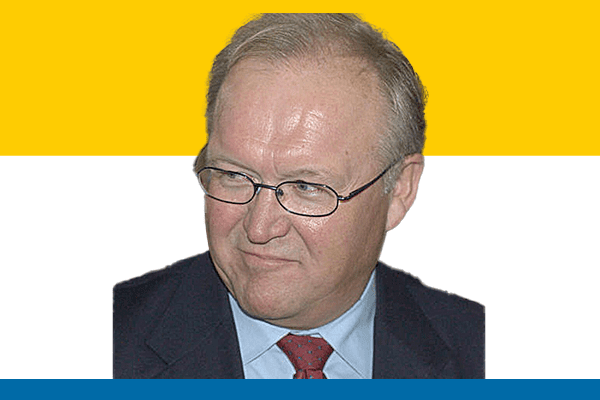
Early Life and Education
Göran Persson was born on January 20, 1949, in Vingåker, Sweden. He grew up in a modest family, and his upbringing influenced his political beliefs and commitment to social equality. He studied social sciences at Örebro University College, where he developed a strong interest in politics and governance.
Persson began his political career at the local level. He actively participated in municipal politics and quickly gained recognition for his leadership skills. Instead of remaining confined to local issues, he expanded his influence and moved into national politics.
Rise in Politics
Persson entered the Swedish Parliament (Riksdag) in 1979. He built his reputation as a competent and results-driven politician. Over the years, he held several important ministerial positions, including Minister for Schools and later Minister of Finance.
As Finance Minister in the early 1990s, Persson tackled Sweden’s severe economic crisis. He implemented strict fiscal policies and reduced public spending. He did not rely on passive governance; instead, he actively introduced reforms that stabilized the economy and restored confidence in Sweden’s financial system.
Prime Minister of Sweden
In 1996, Göran Persson became Prime Minister, succeeding Ingvar Carlsson. He immediately focused on economic stability, employment, and welfare reforms. His government reduced budget deficits and strengthened public finances, which contributed to Sweden’s economic recovery.
Persson also promoted Sweden’s role in the European Union. Although Sweden chose not to adopt the euro during his tenure, he encouraged active participation in European cooperation. He balanced national interests with international commitments.
Under his leadership, the government invested in education, healthcare, and social welfare. He ensured that Sweden maintained its strong welfare system while adapting to global economic challenges.
Leadership Style and Policies
Persson led with determination and confidence. He made firm decisions and expected accountability from his colleagues. Critics sometimes described his leadership style as authoritative, but supporters praised his ability to take responsibility during difficult times.
He focused on sustainable development and environmental protection. He also emphasized the importance of education and innovation in maintaining Sweden’s competitiveness. Rather than avoiding challenges, he confronted them directly and implemented practical solutions.
Later Life and Legacy
After leaving office in 2006, Persson stepped away from frontline politics. He engaged in business activities and public speaking while continuing to influence discussions on economic policy and governance.
Göran Persson’s legacy reflects strong leadership during a period of transformation. He helped stabilize Sweden’s economy, strengthened its welfare system, and reinforced its role in Europe. His policies continue to influence Swedish politics and public administration.
Conclusion
Göran Persson played a crucial role in shaping modern Sweden. Through active leadership and decisive reforms, he guided the country through economic challenges and laid the foundation for future growth. His tenure as Prime Minister remains a significant chapter in Sweden’s political history.