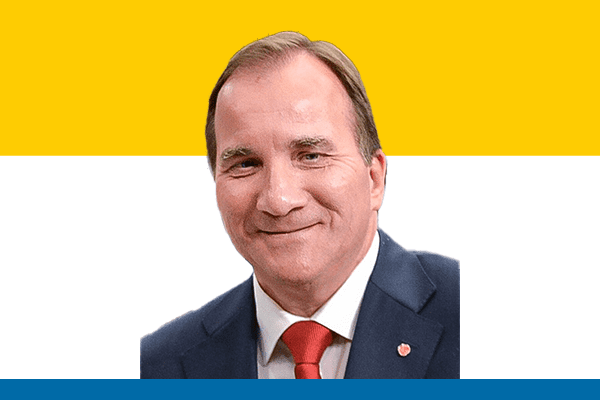
Early Life and Background
Stefan Löfven was born on July 21, 1957, in Stockholm, Sweden. He grew up in a working-class environment after being adopted by a foster family. This upbringing strongly influenced his political beliefs and commitment to social justice.
He pursued technical education and later worked as a welder. Instead of remaining in industrial work, he actively engaged in labor unions, particularly the Swedish Metalworkers’ Union. Through dedication and leadership, he rose to become the union’s chairman. His experience in labor organizations helped him develop negotiation skills and a deep understanding of workers’ rights.
Entry into Politics
Stefan Löfven entered national politics relatively late compared to many leaders. In 2012, he became the leader of the Social Democratic Party. He quickly reorganized the party and strengthened its public image. Rather than relying on traditional methods, he actively connected with voters and emphasized practical solutions to social and economic issues.
His leadership style focused on consensus-building. He worked closely with different political groups to create balanced policies, which helped him gain public trust ahead of the 2014 general elections.
Prime Minister of Sweden
In 2014, Stefan Löfven became Prime Minister after his party won the general elections. He formed a minority government, which required strong negotiation and cooperation skills. Instead of ruling unilaterally, he actively collaborated with other parties to pass legislation.
During his tenure, he addressed key issues such as immigration, climate change, and economic stability. Sweden faced a significant influx of refugees during the European migration crisis. Löfven responded by implementing policies that balanced humanitarian responsibilities with national capacity.
He also emphasized environmental sustainability. His government actively promoted green energy and climate initiatives, positioning Sweden as a global leader in environmental policy.
Leadership Challenges
Stefan Löfven faced several political challenges, including coalition tensions and parliamentary opposition. In 2018, the general elections resulted in a fragmented parliament. Instead of allowing political deadlock, he actively negotiated agreements across party lines to remain in power.
In 2021, he became the first Swedish Prime Minister to lose a vote of no confidence. Despite this setback, he demonstrated resilience by returning briefly before announcing his resignation later that year. His response to political challenges showed adaptability and commitment to democratic processes.
Personal Life
Stefan Löfven is known for maintaining a relatively modest personal life. He married Ulla Löfven, and the couple shares a stable and supportive relationship. His background as a worker and union leader remains central to his identity.
He often emphasizes values such as equality, fairness, and collective responsibility. These principles guide both his personal and political decisions.
Legacy and Impact
Stefan Löfven’s leadership left a significant mark on Swedish politics. He strengthened the role of social democracy in a changing political landscape. Through active governance, he promoted welfare policies, economic stability, and environmental responsibility.
Rather than focusing solely on political power, he prioritized cooperation and dialogue. His leadership style demonstrated that compromise and negotiation can effectively address complex national issues.
Conclusion
Stefan Löfven remains an influential figure in Sweden’s modern political history. His journey from a welder to Prime Minister reflects determination and dedication to public service. Through active leadership and pragmatic decision-making, he contributed to shaping Sweden’s policies and global reputation.