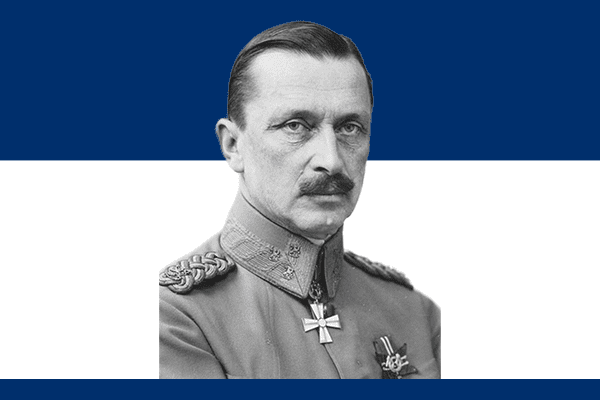
Early Life and Education
Carl Gustaf Emil Mannerheim was born on June 4, 1867, in Askainen, Finland, which was then part of the Russian Empire. He belonged to a noble Swedish-speaking Finnish family. Although his family faced financial difficulties during his childhood, Mannerheim remained determined to succeed.
He attended military schools and later joined the Imperial Russian Army. During his service, he gained valuable military experience and developed leadership skills. He served in various regions of the Russian Empire and participated in several important missions. His discipline and intelligence helped him rise through the military ranks.
Military Career in Russia
Mannerheim spent more than thirty years serving in the Russian Army. He fought in the Russo-Japanese War and later participated in World War I. During these years, he demonstrated courage, strategic planning, and strong command abilities.
He also carried out an important research expedition across Central Asia and China. This journey increased his knowledge of geography, politics, and cultures. Through his experiences, he developed a broader understanding of international affairs, which later benefited Finland.
After the Russian Revolution in 1917, Mannerheim returned to Finland. At that time, Finland had declared independence, but political divisions threatened national stability.
Leadership During the Finnish Civil War
In 1918, Finland experienced a civil war between the “Reds” and the “Whites.” Mannerheim led the White forces and organized military operations to restore order. His leadership helped the Whites achieve victory and preserve Finland’s independence.
Although the war created deep divisions within society, Mannerheim encouraged national reconciliation after the conflict ended. He believed Finland needed unity to survive future challenges. His actions strengthened his reputation as a national leader.
Defender of Finland in World War II
Mannerheim became the commander-in-chief of Finland’s armed forces during World War II. Under his leadership, Finland defended itself against the Soviet Union during the Winter War (1939–1940). Despite limited resources, Finnish troops resisted Soviet attacks with remarkable determination.
Mannerheim inspired soldiers through his calm leadership and strategic planning. Although Finland lost some territory, the country maintained its independence. Later, during the Continuation War, he continued leading Finnish forces while trying to protect national interests.
His leadership during these difficult years made him a symbol of Finnish courage and resilience.
Presidency and Political Leadership
In 1944, Finland elected Mannerheim as President of the Republic. The country faced enormous political and economic challenges after years of war. Mannerheim focused on securing peace and rebuilding the nation.
He negotiated carefully with the Soviet Union and worked to maintain Finland’s independence in a difficult international environment. His diplomatic skills helped Finland avoid occupation and political collapse. Although his presidency lasted only until 1946, his leadership proved essential during a critical period.
Legacy and Historical Importance
Carl Gustaf Emil Mannerheim remains one of Finland’s greatest national heroes. His military achievements, political leadership, and dedication to independence shaped Finnish history. Many Finns admire him for protecting the nation during times of crisis.
Today, statues, museums, and memorials honor his contributions. Historians continue to study his leadership style and military strategies. His birthday, June 4, is celebrated as the Day of the Finnish Defence Forces.
Mannerheim’s life demonstrated courage, discipline, and patriotism. He combined military skill with political wisdom and guided Finland through some of its most challenging years.
Conclusion
Carl Gustaf Emil Mannerheim played a crucial role in Finland’s survival and development. Through active leadership, military expertise, and diplomatic efforts, he defended Finnish independence and strengthened national unity. His legacy continues to inspire people in Finland and around the world.