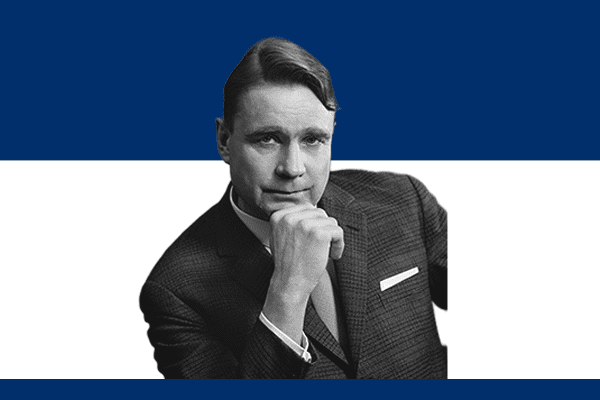
Early Life and Education
Mauno Henrik Koivisto was born on November 25, 1923, in Turku, Finland. He came from a modest working-class family and experienced hardship during his childhood. Despite financial difficulties, he worked hard and focused on education.
During World War II, Koivisto served in the Finnish military and participated in the Continuation War against the Soviet Union. His wartime experiences shaped his disciplined and thoughtful personality. After the war, he studied at the University of Turku and earned a doctorate in sociology. His academic background gave him a deep understanding of social and political issues.
Entry into Politics
Koivisto joined the Social Democratic Party of Finland and gradually became an influential political figure. He gained recognition for his intelligence, honesty, and balanced decision-making. In the 1950s and 1960s, he held several important public positions, including work in banking and administration.
In 1968, President Urho Kekkonen appointed Koivisto as Prime Minister of Finland. During his term, he focused on economic reforms and social development. Although political disagreements led to his resignation in 1970, he remained an important figure in Finnish politics.
Koivisto later became Governor of the Bank of Finland, where he demonstrated strong economic leadership. His successful management of financial matters increased public trust in his abilities.
Presidency and Leadership
In 1982, Mauno Koivisto became President of Finland after the retirement of Urho Kekkonen. As president, he promoted democratic reforms and reduced the dominance of presidential power in Finnish politics. He encouraged Parliament and the Prime Minister to play stronger roles in decision-making.
Koivisto carefully managed Finland’s relationship with the Soviet Union while also strengthening ties with Western Europe. His diplomatic approach helped Finland maintain neutrality during the Cold War. When the Soviet Union collapsed in 1991, Koivisto successfully guided Finland through the changing political landscape.
One of his major achievements was supporting Finland’s path toward European integration. His leadership prepared the country for membership in the European Union, which Finland officially joined shortly after his presidency ended.
Economic Challenges
During the early 1990s, Finland faced a severe economic recession caused by banking problems and the collapse of trade with the Soviet Union. Koivisto worked closely with the government to stabilize the economy and restore confidence. Although the recession created unemployment and financial hardship, his steady leadership helped the country recover.
He believed in practical solutions rather than dramatic political actions. His calm communication reassured citizens during difficult times and strengthened trust in democratic institutions.
Personal Life and Character
Mauno Koivisto married Tellervo Kankaanranta in 1952, and the couple had one daughter. Tellervo Koivisto later became a respected public figure and politician. Koivisto enjoyed reading, writing, and intellectual discussions. He often appeared thoughtful and reserved, but many people admired his wisdom and sincerity.
Unlike many political leaders, he avoided unnecessary publicity and focused on serious governance. His modest lifestyle reflected the values of ordinary Finnish citizens.
Legacy and Death
Mauno Koivisto left a lasting impact on Finland’s political system and international reputation. He strengthened democracy, modernized leadership practices, and guided Finland through major global changes. Many historians consider him one of Finland’s greatest presidents.
Koivisto died on May 12, 2017, at the age of 93. Finland honored his contributions with national respect and remembrance. His legacy continues to influence Finnish politics and society today.
Conclusion
Mauno Koivisto played a crucial role in shaping modern Finland. Through strong leadership, democratic reforms, and careful diplomacy, he guided the nation during a period of major transformation. His commitment to stability, honesty, and progress made him an enduring symbol of responsible leadership in Finnish history.